SEO and Link Building in 2026
Let’s talk about SEO.
Not the boring, buzzword-filled, “optimize your digital ecosystem for scalable synergy” kind.
We’re talking about real SEO. The kind that gets you traffic while you sleep. The kind that makes Google nod approvingly at your website like, “Yes. This one. We like this one.”
And at the center of it all?
Two big ideas:
-
Search Engine Optimization (SEO)
Together, they’re the peanut butter and jelly of organic growth. Alone, they’re fine. Together? Deliciously powerful.
Let’s break it down — without putting you to sleep.
What Is SEO (Without the Tech Headache)?
SEO is the art and science of convincing search engines that your content deserves to be seen.
It’s how you go from:
“Hello? Is anyone reading this?”
To:
“Why is my inbox full of leads?”
Search engines like Google have one job: deliver the most relevant, trustworthy, and useful result to a user’s query.
Your job? Make sure your website screams:
“I AM THAT RESULT.”
SEO helps you do that.
The Three Pillars of SEO
Think of SEO like a three-legged stool. If one leg breaks, things get wobbly.
1. On-Page SEO
This is everything happening on your website.
It includes:
-
Keywords
-
Headings
-
Content quality
-
Internal links
-
Meta descriptions
-
Image optimization
On-page SEO is about clarity.
If someone searches “best running shoes for beginners,” your page should very clearly be about — you guessed it — best running shoes for beginners.
Not:
“Footwear solutions for dynamic mobility enthusiasts.”
Say what people are actually searching for.
2. Technical SEO
This is the behind-the-scenes magic.
It covers:
-
Page speed
-
Mobile-friendliness
-
Site structure
-
Secure HTTPS
-
Clean code
-
Proper indexing
If your website loads slower than a microwave in 1998, Google will notice.
Search engines reward fast, smooth, user-friendly experiences.
Because remember: Google cares about users. If users hate your site, Google won’t love it.
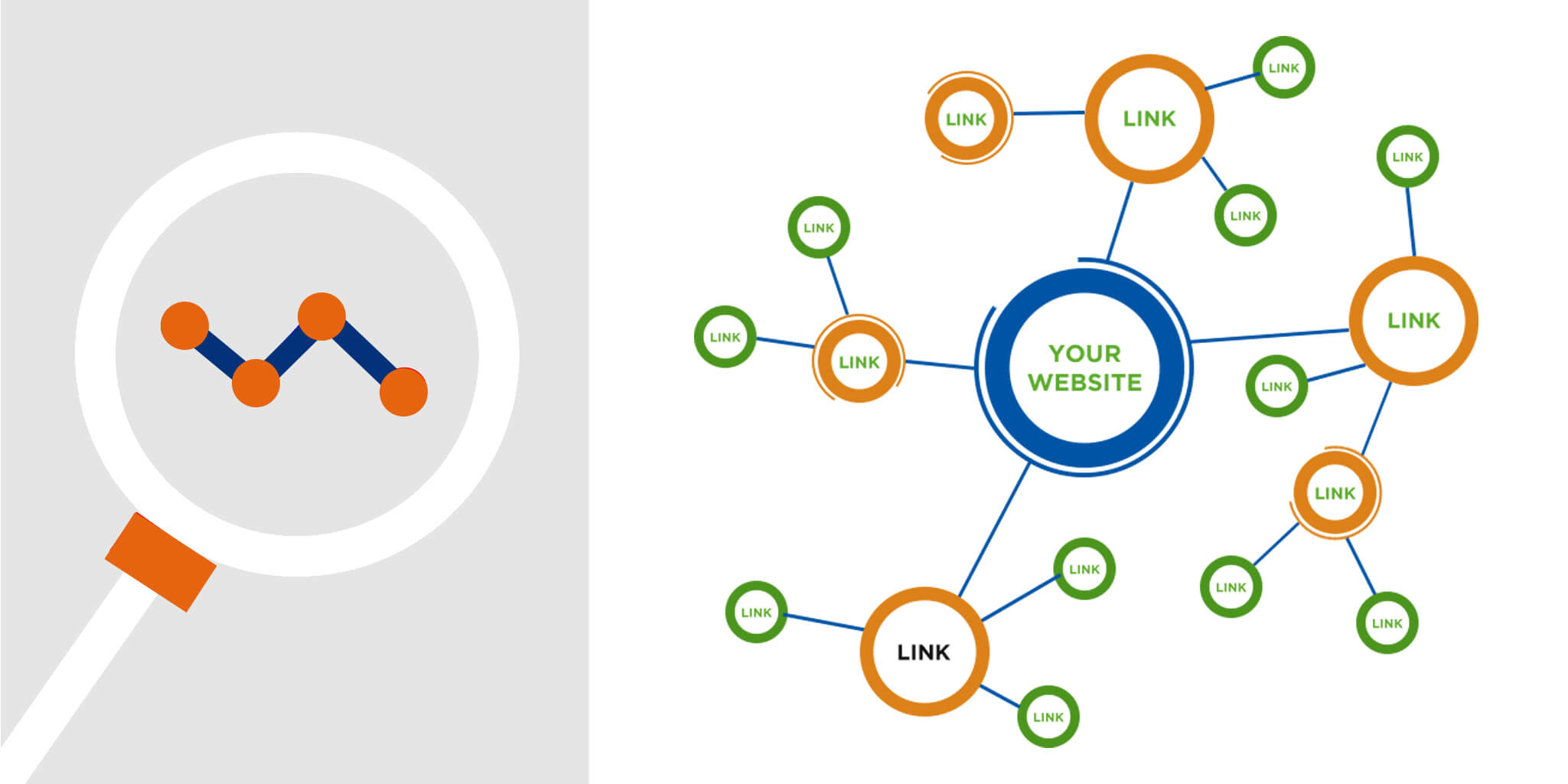
3. Off-Page SEO (AKA Link Building)
This is where things get interesting.
Off-page SEO is about reputation.
If other websites link to you, it’s like they’re vouching for you.
Think of backlinks as digital word-of-mouth.
And in SEO, word-of-mouth is everything.
Why Links Matter So Much
Imagine two coffee shops open on the same street.
One has a line out the door.
The other is empty.
Which one are you trying first?
Google thinks the same way.
If dozens of reputable websites link to your content, Google assumes:
“This must be valuable.”
Backlinks signal:
-
Authority
-
Trust
-
Relevance
But not all links are created equal.
A link from a respected industry website?
Gold.
A link from a sketchy “FreeCryptoPills.biz” site?
Not so much.
Quality beats quantity every time.
The Different Types of Links (Yes, There Are Types)
Let’s simplify this.
1. Natural Links
These happen when someone links to your content because it’s genuinely helpful.
You didn’t ask.
You didn’t pay.
You earned it.
These are SEO royalty.
2. Outreach Links
You reach out to relevant websites and suggest your content as a useful resource.
This is relationship-building, not begging.
It sounds like:
“Hey, I noticed you wrote about X. We created a detailed guide that might add value to your readers.”
Professional.
Helpful.
Not desperate.
3. Guest Post Links
You write content for another website in exchange for a backlink.
Win-win:
They get content.
You get exposure and authority.
Just make sure the site is relevant to your niche.
A bakery writing for a tech cybersecurity blog? Suspicious.
4. Internal Links
These are links from one page on your site to another page on your site.
They:
-
Help users navigate
-
Distribute authority
-
Help search engines understand your structure
Internal linking is criminally underrated.
What Makes a Good Backlink?
Here’s your quick checklist:
-
Is the website reputable?
-
Is it relevant to your niche?
-
Does it have real traffic?
-
Is the link placed naturally within content?
-
Is it editorial (not paid spam)?
One powerful link can outweigh 100 weak ones.
Remember: we’re building reputation, not collecting Pokémon cards.
Keywords: The Foundation of SEO
You can’t rank if you don’t know what people are searching for.
Keyword research is detective work.
You’re trying to uncover:
-
What questions are people asking?
-
What problems are they trying to solve?
-
What language are they using?
Pro tip:
People rarely search fancy industry jargon.
They search:
“How to fix slow website”
Not:
“Optimizing server-side latency performance.”
Speak human.
Search Intent Is Everything
There are four main types of search intent:
-
Informational (learn something)
-
Navigational (find a specific site)
-
Transactional (buy something)
-
Commercial investigation (compare options)
If someone searches:
“Best CRM software for startups”
They want comparisons.
Not a 3,000-word philosophical essay on customer relationships.
Match your content to the intent, and rankings follow.
Content Is Still King (But It Must Be Worthy)
Let’s be honest.
There is a lot of bad content online.
Generic.
Fluffy.
Written for algorithms instead of humans.
Google is smarter now.
It evaluates:
-
Depth
-
Clarity
-
Expertise
-
Structure
-
User engagement
If your content doesn’t add real value, it won’t last.
Create:
-
Comprehensive guides
-
Data-backed articles
-
Original insights
-
Unique perspectives
Be the best result — not just another result.
The Secret Weapon: Topical Authority
Instead of writing one random blog post about “email marketing,” write 20 interconnected posts covering:
-
Email subject lines
-
Email automation
-
Email segmentation
-
Deliverability
-
Welcome sequences
Then link them together.
Boom.
Now Google sees you as an authority on the topic — not just someone who wrote one article.
Depth beats randomness.
How to Build Links Without Feeling Awkward
Let’s make this practical.
1. Create Link-Worthy Content
Want links?
Create something worth linking to.
Examples:
-
Original research
-
Statistics roundups
-
Ultimate guides
-
Free tools
-
Case studies
People link to resources, not sales pages.
2. Broken Link Building
Find broken links on other websites.
Suggest your content as a replacement.
You’re helping them fix their site.
They reward you with a link.
Smooth.
3. Digital PR
Pitch journalists or bloggers with:
-
Data insights
-
Expert quotes
-
Unique stories
When they mention you, you earn high-authority links.
This is link building with style.
4. Skyscraper Technique
Find popular content.
Make something better.
Reach out to sites linking to the original.
Offer them the upgraded version.
It works because improvement is attractive.
Common SEO Mistakes (Please Avoid These)
-
Keyword stuffing
-
Buying spammy backlinks
-
Ignoring mobile optimization
-
Publishing thin content
-
Neglecting internal linking
-
Forgetting user experience
If it feels manipulative, it probably is.
SEO rewards value. Not tricks.
How Long Does SEO Take?
Ah, the big question.
SEO is not instant.
It’s not paid ads.
It’s not flipping a switch.
It’s planting a tree.
But once that tree grows?
Shade for years.
Typically:
-
3–6 months for traction
-
6–12 months for serious results
Consistency wins.
SEO in 2026: What Matters Now
Search engines now prioritize:
-
Real expertise
-
Strong user experience
-
Topical depth
-
Genuine authority
-
Engagement signals
AI-generated fluff without strategy?
Doesn’t last.
Human insight + strategic SEO?
Powerful.
The Ultimate SEO Formula
Here’s your cheat sheet:
-
Research real keywords.
-
Understand search intent.
-
Create genuinely useful content.
-
Optimize technically.
-
Build relevant, high-quality links.
-
Interlink your content.
-
Update and improve regularly.
Repeat.
Play the Long Game
SEO and link building aren’t hacks.
They’re reputation systems.
You’re building trust with:
-
Search engines
-
Other websites
-
Real humans
And trust compounds.
If you focus on:
-
Value over shortcuts
-
Quality over quantity
-
Strategy over guesswork
-
Consistency over intensity
You’ll build an SEO presence that works 24/7.
No ads.
No constant spending.
Just steady, organic growth.
And honestly?
There’s something deeply satisfying about waking up to traffic you didn’t pay for.
That’s the magic of SEO.