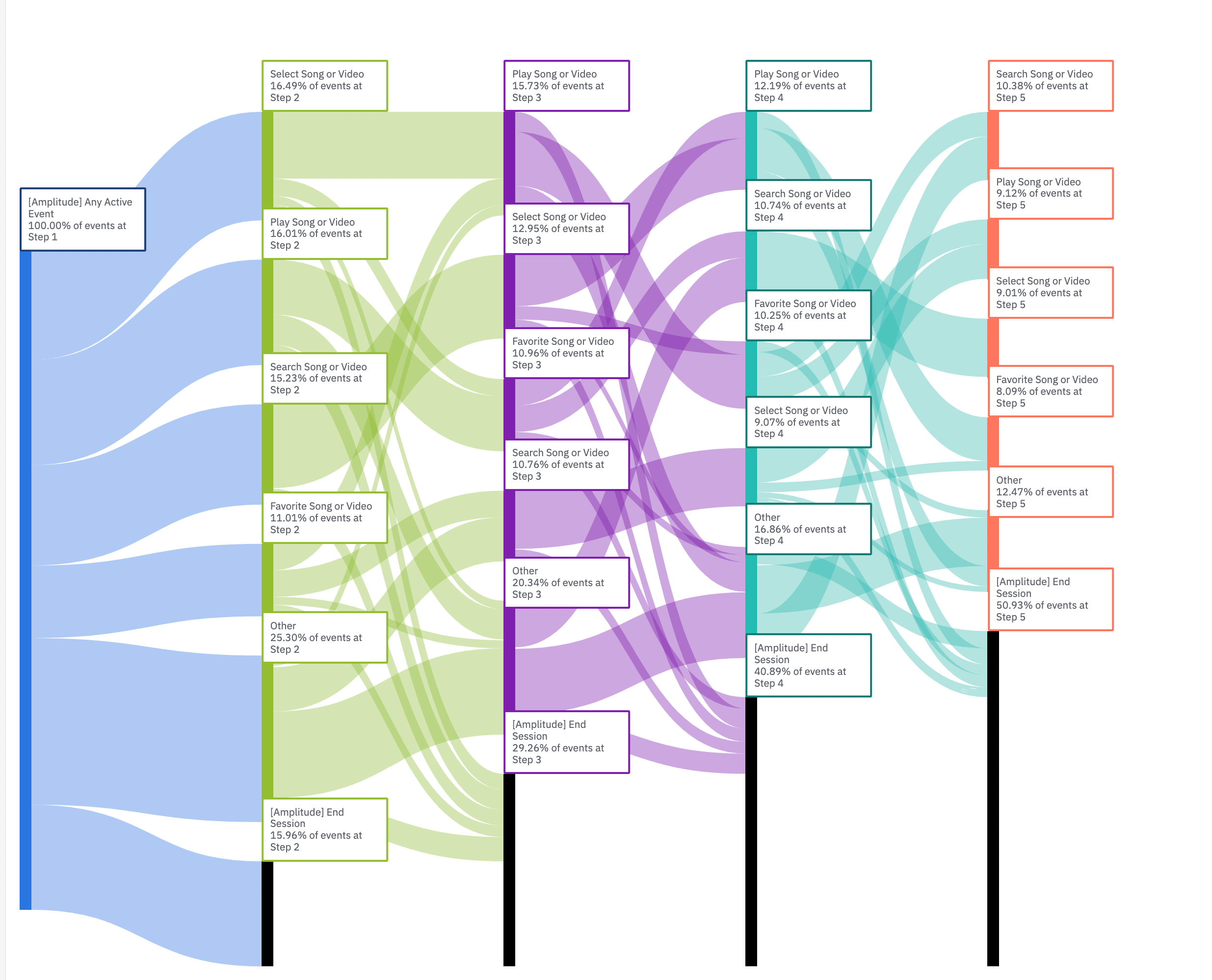
Strategic Conversion Pathways
In ecommerce, traffic alone does not generate revenue—conversions do. You can invest heavily in advertising, SEO, and social media marketing, but if your website does not guide visitors toward meaningful actions, you will struggle to turn attention into sales. That’s where strategic conversion pathways come in.
A conversion pathway is the intentional journey a visitor takes from their first interaction with your website to completing a desired action, such as making a purchase, signing up for an email list, or adding a product to their cart. Designing these pathways strategically ensures that users are guided, supported, and encouraged at every step.
This article explores how to build effective conversion pathways for ecommerce websites that increase sales, improve user experience, and maximize return on investment.
Understanding Conversion Pathways
A conversion pathway is not just a checkout process. It includes every touchpoint that moves a user closer to purchase. This can include:
-
Landing pages
-
Product category pages
-
Product detail pages
-
Search results
-
Email signups
-
Cart and checkout flows
-
Retargeting touchpoints
Each page should have a clear purpose and a defined next step. Without clarity, users hesitate. With strategic direction, they move forward confidently.
Step 1: Define Clear Conversion Goals
Before designing pathways, you must define what you want users to do. In ecommerce, primary and secondary conversions often include:
Primary conversions:
-
Completing a purchase
-
Subscribing to a membership
Secondary conversions:
-
Adding items to cart
-
Joining an email list
-
Creating an account
-
Downloading a buying guide
Clear goals allow you to map user journeys intentionally rather than hoping visitors figure it out themselves.
Step 2: Map the Customer Journey
Strategic pathways begin with understanding the buyer’s journey. Ecommerce customers typically move through four stages:
-
Awareness
-
Consideration
-
Decision
-
Retention
Each stage requires different messaging and page structures.
Awareness Stage
At this stage, users may not know your brand or product well. They might arrive via search engines, ads, or social media.
Focus on:
-
Clear value propositions
-
Educational content
-
Category overviews
-
Simple navigation
Your goal is not to push an immediate sale, but to guide users into exploration.
Consideration Stage
Here, visitors compare products and evaluate options.
Support them with:
-
Detailed product descriptions
-
High-quality images
-
Reviews and testimonials
-
FAQs
-
Comparison tools
Reducing uncertainty at this stage is critical to moving users forward.
Decision Stage
At this point, users are ready to buy—but small friction points can still cause abandonment.
Prioritize:
-
Clear pricing
-
Transparent shipping information
-
Easy checkout
-
Strong calls-to-action
Even minor obstacles can derail conversions.
Retention Stage
Conversion pathways should not end at checkout.
After purchase:
-
Send confirmation emails
-
Offer cross-sell or upsell suggestions
-
Encourage account creation
-
Provide loyalty rewards
Retention pathways increase lifetime customer value.
Step 3: Design High-Converting Landing Pages
Landing pages often represent the first entry point into your conversion pathway. These pages must:
-
Align with the user’s search or ad intent
-
Present a clear headline and benefit statement
-
Include focused calls-to-action
-
Avoid unnecessary distractions
For example, if a user clicks an ad for “Waterproof Hiking Boots,” they should land directly on a relevant category or product page—not your homepage.
Clarity increases momentum.
Step 4: Optimize Product Pages for Decision-Making
Product pages are the heart of ecommerce conversion pathways. They must answer every question a buyer might have.
Key elements include:
-
Compelling product titles
-
Benefit-driven descriptions
-
Multiple high-resolution images
-
Videos when possible
-
Clear pricing and discounts
-
Shipping and return policies
-
Social proof (reviews, ratings, testimonials)
-
Visible add-to-cart buttons
The “Add to Cart” button should stand out visually and be placed prominently above the fold.
Every element should reduce doubt and build trust.
Step 5: Simplify the Checkout Process
A complicated checkout process is one of the leading causes of cart abandonment.
Best practices include:
-
Guest checkout options
-
Minimal form fields
-
Clear progress indicators
-
Multiple payment methods
-
Mobile-friendly layout
-
Transparent cost breakdown
Unexpected shipping costs or mandatory account creation can break the conversion pathway. Keep it simple and predictable.
Step 6: Use Strategic Calls-to-Action (CTAs)
Calls-to-action guide users from one stage to the next.
Effective CTAs:
-
Use action-oriented language
-
Highlight benefits
-
Stand out visually
-
Appear at logical decision points
Examples include:
-
“Add to Cart”
-
“Shop the Collection”
-
“Get 10% Off Today”
-
“See Size Guide”
Avoid vague CTAs like “Submit” or “Click Here.” Specificity increases conversions.
Step 7: Incorporate Trust Signals
Trust is essential in ecommerce. Users are hesitant to share payment details without confidence.
Include:
-
SSL certificates
-
Secure payment badges
-
Customer reviews
-
Return policies
-
Money-back guarantees
-
Testimonials
-
Social proof metrics (“Over 10,000 customers served”)
Trust signals should appear throughout the pathway—not just at checkout.
Step 8: Leverage Behavioral Triggers
Behavioral triggers help move users who hesitate.
Examples include:
-
Exit-intent popups
-
Limited-time offers
-
Low-stock alerts
-
Free shipping thresholds
-
Abandoned cart emails
These nudges re-engage visitors and bring them back into the pathway.
However, use them strategically—too many interruptions can damage user experience.
Step 9: Personalize the Experience
Personalization enhances conversion pathways by making content more relevant.
Examples include:
-
Product recommendations based on browsing history
-
Recently viewed products
-
Dynamic homepage content
-
Personalized email follow-ups
Relevant suggestions increase average order value and engagement.
Step 10: Optimize for Mobile Users
Mobile commerce continues to grow rapidly. If your conversion pathway fails on mobile, you lose significant revenue.
Ensure:
-
Fast load times
-
Large, tappable buttons
-
Simplified navigation
-
Easy checkout forms
-
Autocomplete functionality
Mobile optimization is not optional—it is foundational.
Step 11: Reduce Friction at Every Step
Friction slows users down. Common friction points include:
-
Slow loading pages
-
Confusing navigation
-
Too many popups
-
Poor product descriptions
-
Hidden fees
Audit your website regularly to identify obstacles in the pathway. Even small improvements can dramatically increase conversions.
Step 12: Use Data to Refine Pathways
Strategic pathways are never static. Use analytics tools to track:
-
Bounce rates
-
Exit pages
-
Cart abandonment rates
-
Conversion rates by traffic source
-
Heatmaps and click patterns
A/B testing different headlines, CTAs, layouts, or pricing strategies can reveal what drives more conversions.
Data-driven optimization ensures your pathways continuously improve.
Step 13: Align Marketing with On-Site Experience
Conversion pathways extend beyond your website. Ads, emails, and social media must align with on-site messaging.
If a user clicks an email promoting “Buy One Get One Free,” the landing page must clearly reflect that offer.
Consistency builds trust and prevents confusion.
Step 14: Encourage Post-Purchase Actions
Strategic pathways continue after purchase.
Encourage:
-
Product reviews
-
Social sharing
-
Loyalty program signups
-
Repeat purchases
-
Referral programs
Satisfied customers can become advocates, creating new entry points into your conversion funnel.
Common Mistakes to Avoid
-
Designing for aesthetics over usability
-
Overcomplicating navigation
-
Hiding key information
-
Ignoring mobile performance
-
Failing to test checkout processes
-
Overloading users with popups
Conversion pathways should feel intuitive and seamless—not forced or overwhelming.
Conversions are Not Accidental
Creating strategic conversion pathways for an ecommerce website is about intentional design, user psychology, and continuous optimization. Every page should serve a purpose. Every interaction should guide the user forward.
From awareness to retention, a well-designed pathway reduces friction, builds trust, and encourages action. By optimizing landing pages, strengthening product descriptions, simplifying checkout, leveraging personalization, and continuously testing improvements, ecommerce businesses can significantly increase sales and customer lifetime value.
Conversions are not accidental—they are engineered. When your website guides users clearly, answers their questions, removes obstacles, and builds confidence, visitors transform into customers.