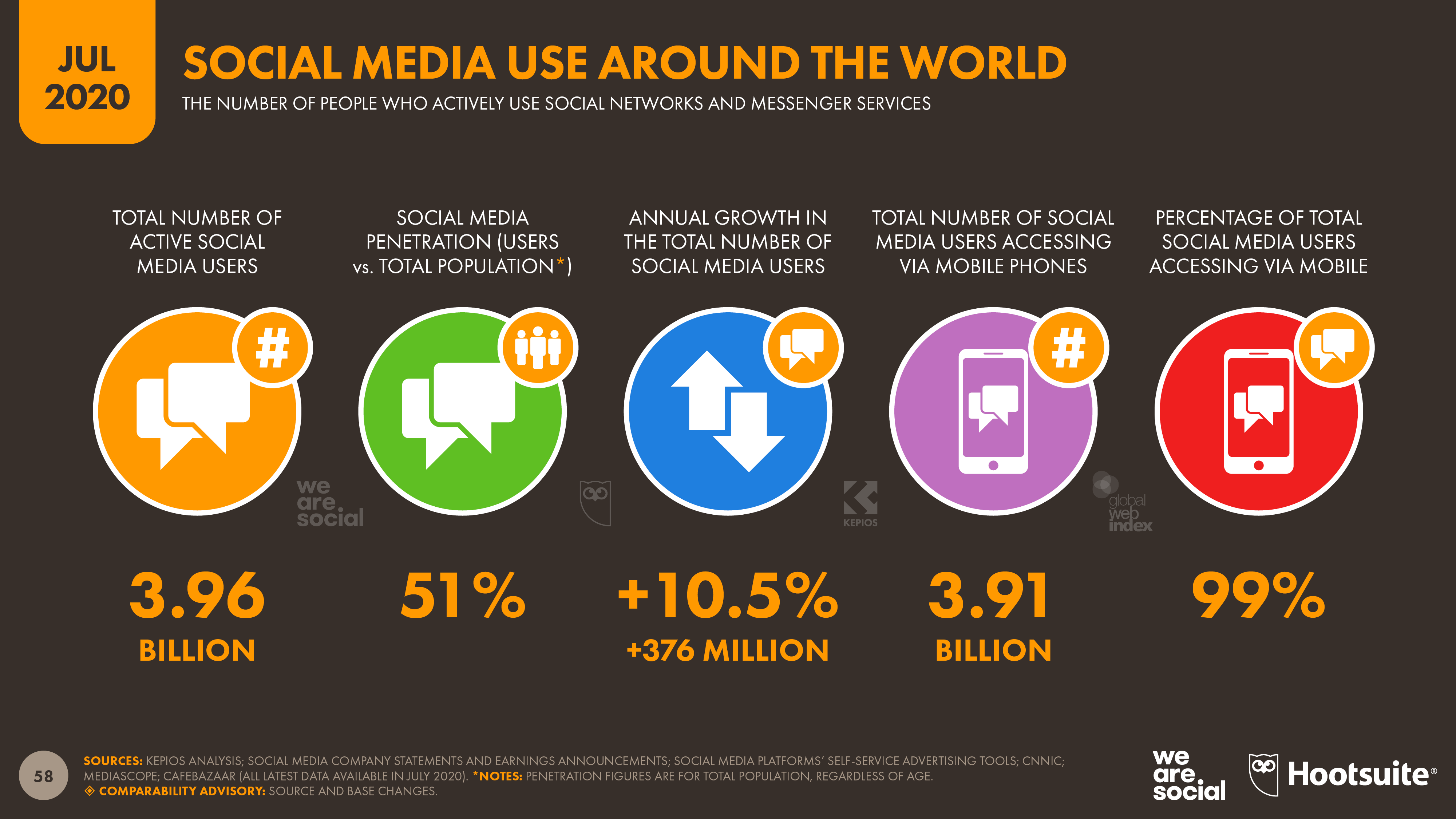
Social Media Marketing Data
Social media marketing is no longer driven by intuition alone. While creativity and storytelling remain essential, data now sits at the center of strategic decision-making. Platforms like Instagram, TikTok, YouTube, LinkedIn, and Facebook provide detailed analytics that allow brands to measure performance, understand audience behavior, and refine campaigns.
However, collecting data is only half the process. The real competitive advantage lies in interpreting that data correctly and turning it into actionable improvements.
This article explores how to collect meaningful data in social media marketing and how to use it effectively to drive sustainable growth.
Why Data Matters in Social Media Marketing
Data transforms marketing from guesswork into informed strategy. Instead of asking, “Why didn’t this post perform well?” you can analyze metrics to uncover patterns and identify specific weaknesses.
Data helps marketers:
-
Identify what content resonates
-
Understand audience demographics
-
Optimize posting schedules
-
Improve engagement rates
-
Increase conversions
-
Allocate advertising budgets efficiently
Without data, decisions rely on assumptions. With data, decisions rely on evidence.
Step One: Define Clear Objectives
Before collecting data, you must define what success looks like.
Are you aiming to:
-
Increase brand awareness?
-
Drive website traffic?
-
Generate leads?
-
Boost sales?
-
Grow community engagement?
Each objective requires different metrics.
For example, if your goal is brand awareness, reach and impressions matter most. If your goal is sales, click-through rates and conversions are more relevant.
Clarity prevents information overload. Not all metrics are equally important.
Types of Social Media Data to Collect
1. Audience Data
Audience insights help you understand who is engaging with your content.
Key audience metrics include:
-
Age range
-
Gender distribution
-
Geographic location
-
Language
-
Device usage
-
Active times
Understanding audience demographics allows you to tailor tone, messaging, and posting schedules.
For instance, LinkedIn analytics may reveal that your audience is primarily mid-career professionals. This insight influences both content style and subject matter.
2. Engagement Data
Engagement metrics reveal how users interact with your content.
Common engagement indicators include:
-
Likes
-
Comments
-
Shares
-
Saves
-
Watch time
-
Completion rate
High engagement often signals relevance and emotional connection.
However, engagement must be analyzed contextually. A high number of likes but few shares may indicate surface-level interest rather than strong value.
3. Reach and Impressions
Reach measures how many unique users saw your content. Impressions measure total views, including repeat exposures.
These metrics are useful for tracking visibility growth over time.
If reach declines, it may signal algorithm changes, inconsistent posting, or reduced audience interest.
Monitoring trends rather than isolated posts provides more meaningful insight.
4. Traffic and Conversion Data
If your social media efforts aim to drive external actions, track:
-
Website clicks
-
Landing page visits
-
Email signups
-
Purchases
-
Lead form submissions
Tools like UTM parameters help track traffic sources accurately.
For YouTube, click-through rate (CTR) indicates how effectively thumbnails and titles attract viewers.
Conversion data ties social performance directly to business outcomes.
5. Advertising Data
For paid campaigns on platforms like Facebook or Instagram, additional metrics become critical:
-
Cost per click (CPC)
-
Cost per acquisition (CPA)
-
Return on ad spend (ROAS)
-
Conversion rate
-
Audience segmentation performance
Advertising data enables more precise targeting and budget allocation.
Tools for Collecting Data
Most social platforms provide built-in analytics dashboards. However, additional tools can centralize and enhance reporting.
These may include:
-
Social media management platforms
-
CRM systems
-
Google Analytics
-
Email marketing dashboards
-
Third-party analytics tools
Centralizing data helps identify cross-platform patterns.
For example, comparing engagement patterns across Instagram and TikTok may reveal differences in audience behavior.
Turning Data Into Actionable Insights
Collecting numbers is easy. Interpreting them requires strategic thinking.
Here is how to move from raw data to meaningful action.
1. Identify Performance Patterns
Rather than analyzing single posts, look for trends across multiple posts.
Ask:
-
Which topics consistently generate high engagement?
-
Which formats perform best?
-
What time of day drives stronger interaction?
-
Which calls to action convert more effectively?
Patterns reveal replicable strategies.
For example, if short-form educational videos consistently outperform static images, shift content production accordingly.
2. Optimize Based on Retention
On video platforms like TikTok and YouTube, watch time and retention are critical.
If viewers drop off within the first few seconds, your hook may need improvement.
If retention remains strong but conversions are low, your call-to-action may be unclear.
Small adjustments—stronger openings, clearer messaging, tighter editing—can significantly improve results.
3. Segment Your Audience
Not all followers behave the same.
Segment audiences by:
-
New vs. returning followers
-
Geographic regions
-
Engagement levels
-
Interest categories
Segmented analysis allows for targeted messaging.
For instance, a brand targeting both beginners and advanced users may create tailored content streams for each group.
4. Conduct Controlled Experiments
Data becomes powerful when paired with experimentation.
Test one variable at a time:
-
Different headlines
-
Video lengths
-
Caption styles
-
Thumbnail designs
-
Posting times
Run A/B tests for paid ads.
Controlled testing isolates what drives performance differences.
Avoid changing too many elements simultaneously. Clear comparisons require controlled conditions.
5. Align Metrics With Business Goals
Engagement alone does not equal success.
If your goal is lead generation, high likes without conversions may indicate misalignment.
Regularly ask:
-
Are we attracting the right audience?
-
Are we guiding them toward meaningful actions?
-
Are we tracking the right metrics?
Data should inform progress toward long-term objectives—not distract from them.
Avoiding Common Data Pitfalls
Vanity Metrics
High follower counts or viral spikes can be misleading. Focus on engagement quality and conversion impact.
Short-Term Reactions
Avoid drastic strategy changes based on one underperforming post. Analyze broader trends.
Over-Analyzing
Too much data can create confusion. Prioritize key performance indicators (KPIs) aligned with goals.
Ignoring Qualitative Feedback
Comments, direct messages, and audience sentiment provide insights that numbers alone cannot capture.
Ethical Considerations and Privacy
As data collection increases, ethical responsibility grows.
Ensure:
-
Transparency about data usage
-
Compliance with privacy regulations
-
Respect for user consent
-
Secure storage of customer information
Trust is essential for sustainable marketing.
Creating a Data-Driven Culture
Effective data use requires organizational alignment.
Encourage:
-
Regular performance reviews
-
Cross-team collaboration
-
Shared dashboards
-
Clear reporting systems
Data should guide brainstorming sessions and campaign planning.
A data-driven culture balances creativity with accountability.
Continuous Monitoring and Adaptation
Social media evolves rapidly.
Schedule regular monthly or quarterly reviews to:
-
Evaluate growth trends
-
Identify emerging content opportunities
-
Adjust targeting strategies
-
Reallocate budgets
Data analysis is not a one-time task. It is an ongoing discipline.
Strategic Growth
Collecting and effectively using data in social media marketing transforms creative effort into strategic growth.
By defining clear objectives, tracking relevant metrics, identifying patterns, testing strategically, and aligning performance with business outcomes, marketers gain a competitive edge.
Data does not replace creativity—it enhances it.
When insight guides action, social media marketing becomes more efficient, more intentional, and more impactful.
In a crowded digital landscape, those who harness data wisely will not only reach audiences—they will understand them.