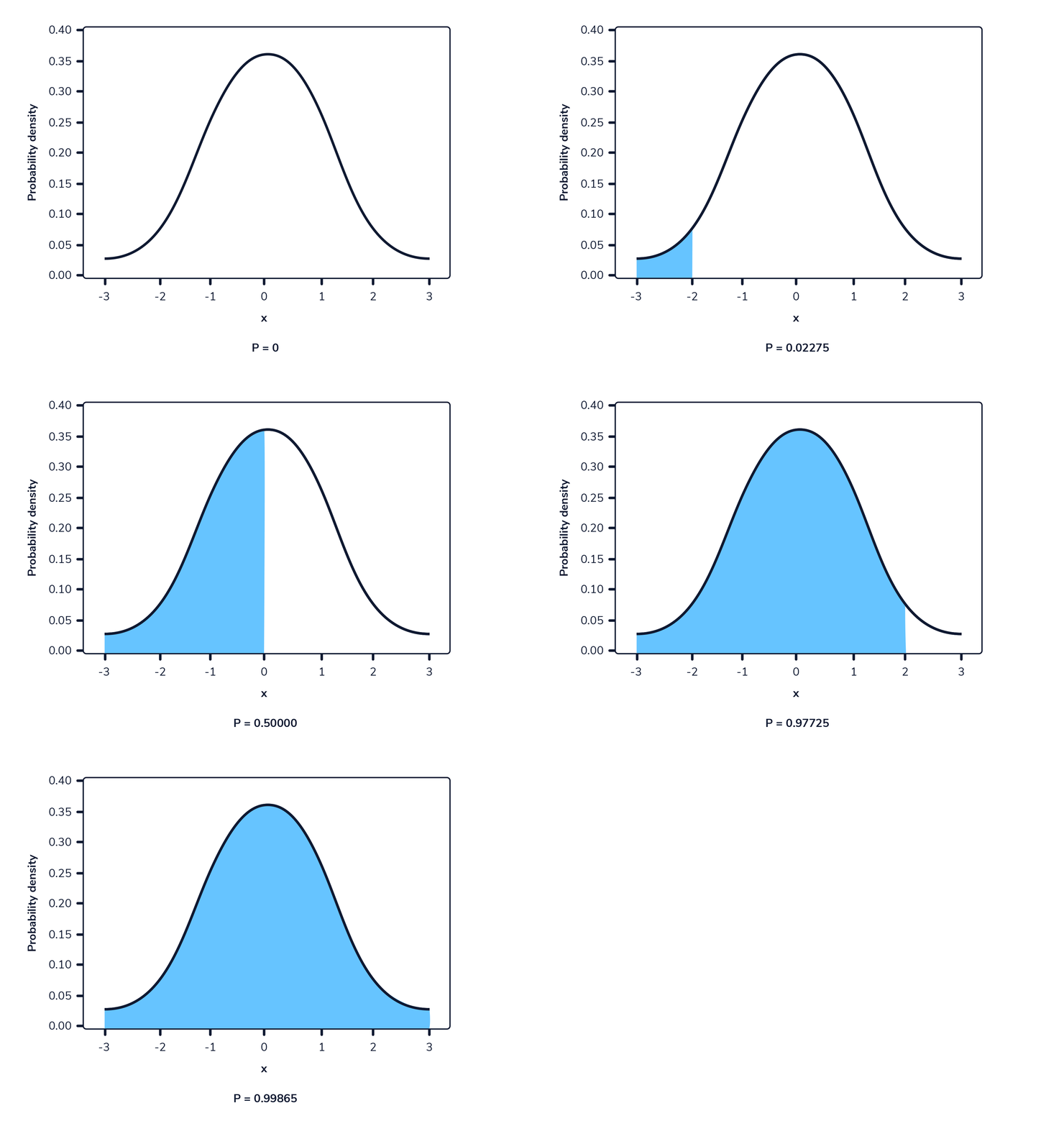
Predicted Engagement Probability
Introduction: The Intersection of Search Engine Algorithms and User Engagement
As digital marketing and online content continue to evolve, understanding the mechanics of search engine algorithms has become crucial for businesses, marketers, and content creators. Search engine algorithms, such as those used by Google, Bing, and others, have a significant impact on how content is ranked and discovered. One of the key factors in determining the success of a piece of content is engagement probability, which refers to the likelihood that users will interact with, share, or take action on a given piece of content.
In this article, we will explore the predicted engagement probability of content in relation to search engine algorithms. We will examine how search engines use various signals to determine which content is most relevant to users, how engagement metrics are considered by these algorithms, and how content creators can optimize for higher engagement probabilities. We will also dive into the implications of this relationship for search engine optimization (SEO) and provide practical strategies for improving content visibility and user interaction.
Understanding Search Engine Algorithms
Search engine algorithms are the complex systems that determine how content is ranked and displayed in search results. These algorithms evaluate numerous factors, or "signals," to determine which pages are most relevant for a given query. These signals include keyword relevance, content quality, website authority, backlinks, user behavior, and much more. Over time, algorithms have become increasingly sophisticated, evolving to consider a broader range of factors beyond just keyword matching.
While the exact ranking factors used by search engines are proprietary and constantly changing, some well-known aspects of search engine algorithms include:
- Keyword Relevance: The presence and proper usage of keywords in titles, meta descriptions, headers, and throughout the content.
- Content Quality: How informative, well-written, and valuable the content is to users.
- User Experience (UX): Factors such as page load speed, mobile-friendliness, and ease of navigation.
- Backlinks: The quantity and quality of links pointing to a page, which serves as a measure of its authority.
- Engagement Metrics: Signals such as click-through rate (CTR), bounce rate, and time on page.
Search engines, especially Google, have become increasingly focused on providing the best possible experience for users, which means they consider how users interact with content after it has been displayed. Engagement metrics, therefore, have become an essential factor in the ranking process.
The Role of Engagement Metrics in Search Engine Algorithms
Search engines are interested in user engagement because it provides a direct indication of content quality and relevance. When users engage with content, whether by clicking on a link, spending time reading, or sharing it on social media, it signals that the content is valuable and useful. Consequently, search engines often use these signals to gauge content quality and relevance, incorporating engagement metrics into their ranking algorithms.
Some of the most important engagement metrics that search engines consider include:
- Click-Through Rate (CTR): The percentage of users who click on a search result after seeing it in the search engine results pages (SERP). A high CTR suggests that the content is appealing to users.
- Bounce Rate: The percentage of users who leave a webpage after viewing only one page. A low bounce rate typically indicates that users find the content engaging and are willing to explore more.
- Time on Page: The amount of time a user spends on a page. Longer time on page generally signifies that the content is valuable and engaging.
- Social Sharing: Content that is shared on social media platforms can indicate that users find it valuable and worthy of sharing with others. While social signals may not directly influence rankings, they often correlate with engagement and content quality.
- Comments and Interactions: The number and quality of comments or interactions on a page or post can demonstrate that users are deeply engaged with the content.
Search engines use these engagement metrics to determine the probability that a user will find the content valuable. The higher the engagement, the more likely it is that the content will rank well in search results, as it signals that the content is serving the needs and interests of the audience.
Predicted Engagement Probability: How Search Engines Assess Content
Predicted engagement probability refers to the likelihood that a given piece of content will generate user interaction and engagement based on various factors considered by search engine algorithms. This probability is influenced by both on-page factors (e.g., content quality, keyword relevance) and off-page factors (e.g., backlinks, social sharing, user behavior).
Search engines use a variety of predictive algorithms to assess engagement probability. These algorithms analyze data and historical patterns to predict which content is most likely to engage users. Some of the factors that contribute to predicted engagement probability include:
- Content Relevance: How closely the content matches the user's search intent. Content that directly addresses the user's query is more likely to attract engagement.
- Historical Performance: Content that has previously garnered high engagement is more likely to rank well and continue to receive attention.
- User Behavior Data: Search engines track user behavior, including click patterns, time spent on pages, and engagement with previous content, to predict future interactions.
- Semantic Understanding: Modern search engines use natural language processing (NLP) to understand the context and intent behind a search query, helping them assess whether content will resonate with users.
For example, if a particular type of content (e.g., a list post or a how-to guide) has historically resulted in high engagement rates, search engines may predict that similar content will generate comparable user interaction. This predictive modeling allows search engines to rank content that is more likely to be engaged with, further improving the user experience.
Engagement Probability and SEO: How to Optimize for Higher Engagement
Search engines are not just looking for content that is keyword-optimized or well-structured—they are also focused on user experience and engagement. The more engaged users are with a piece of content, the more likely it is to be ranked higher. Therefore, optimizing for higher engagement probability is a critical aspect of SEO strategy.
To optimize content for higher engagement probability, consider the following strategies:
- Write Compelling Headlines and Meta Descriptions: The headline and meta description are the first things users see in the search results. Crafting engaging and informative headlines can improve CTR, which is a key engagement metric.
- Focus on Content Quality and Relevance: Content that directly addresses user queries and provides value will naturally attract higher engagement. Prioritize high-quality, informative content that satisfies the user's search intent.
- Use Multimedia: Incorporating multimedia elements such as images, videos, and infographics can make content more engaging and encourage users to spend more time on the page, improving time on page and reducing bounce rates.
- Optimize for Mobile: With the majority of web traffic coming from mobile devices, it is essential to ensure that your content is mobile-friendly. A smooth mobile experience can reduce bounce rates and increase engagement.
- Encourage User Interaction: Include calls to action (CTAs), comment sections, and social sharing buttons to encourage users to engage with the content and share it with their networks.
- Optimize Page Load Speed: Slow-loading pages can lead to high bounce rates and low engagement. Ensure that your website is optimized for fast load times across all devices.
By focusing on user engagement through these strategies, content creators can improve their predicted engagement probability, which will ultimately help their content rank higher in search results.
Content Structure and Engagement Probability: The Role of UX
Content structure plays a significant role in engagement probability. Well-organized, easy-to-navigate content encourages users to stay on the page longer and engage more deeply. Search engines prioritize user experience (UX) when determining rankings, and a positive UX is often reflected in higher engagement metrics.
Key factors related to content structure that influence engagement probability include:
- Headings and Subheadings: Proper use of headings and subheadings (H1, H2, H3, etc.) helps users easily navigate the content. Well-structured content improves user engagement by making it easier to find information.
- Scannability: Content that is easy to scan, with short paragraphs, bullet points, and clear sections, encourages more interaction. Users are more likely to engage with content that is visually appealing and easy to read.
- Internal Linking: Including internal links within content encourages users to explore more pages on the website, increasing time on site and user interaction.
- Clear and Actionable CTAs: Including clear calls to action throughout the content can encourage users to comment, share, or take other actions, directly impacting engagement metrics.
The Future of Engagement Probability in Search Engine Algorithms
As search engines continue to evolve, engagement metrics are likely to play an even larger role in determining content rankings. The future of SEO will not only focus on traditional ranking factors such as backlinks and keyword optimization but also on how content is consumed and interacted with by users.
We can expect the following trends in engagement probability and search engine algorithms:
- Increased Focus on User Intent: Search engines will continue to improve their ability to understand user intent, which will help them predict engagement more accurately and surface content that is truly relevant to users.
- Integration of AI and Machine Learning: AI will further improve search engines' ability to analyze user behavior and predict which content will resonate with users, allowing for more personalized and targeted search results.
- Greater Emphasis on Visual and Interactive Content: Content that includes videos, interactive elements, and rich media will become more important in driving engagement, as search engines continue to prioritize content that provides a better user experience.
Optimizing for Engagement in the Age of Search Engines
Predicted engagement probability is a crucial aspect of modern SEO. As search engines increasingly rely on user engagement metrics to determine rankings, content creators, marketers, and businesses must focus on creating content that not only ranks well but also engages users. By prioritizing quality, relevance, and user experience, creators can increase their chances of being featured in search results and ultimately drive more organic traffic.
Understanding the relationship between search engine algorithms and engagement probability allows businesses to adapt to the changing landscape of digital marketing and search. By focusing on content optimization, user engagement, and strategic SEO practices, businesses can improve their visibility, ranking, and long-term success.