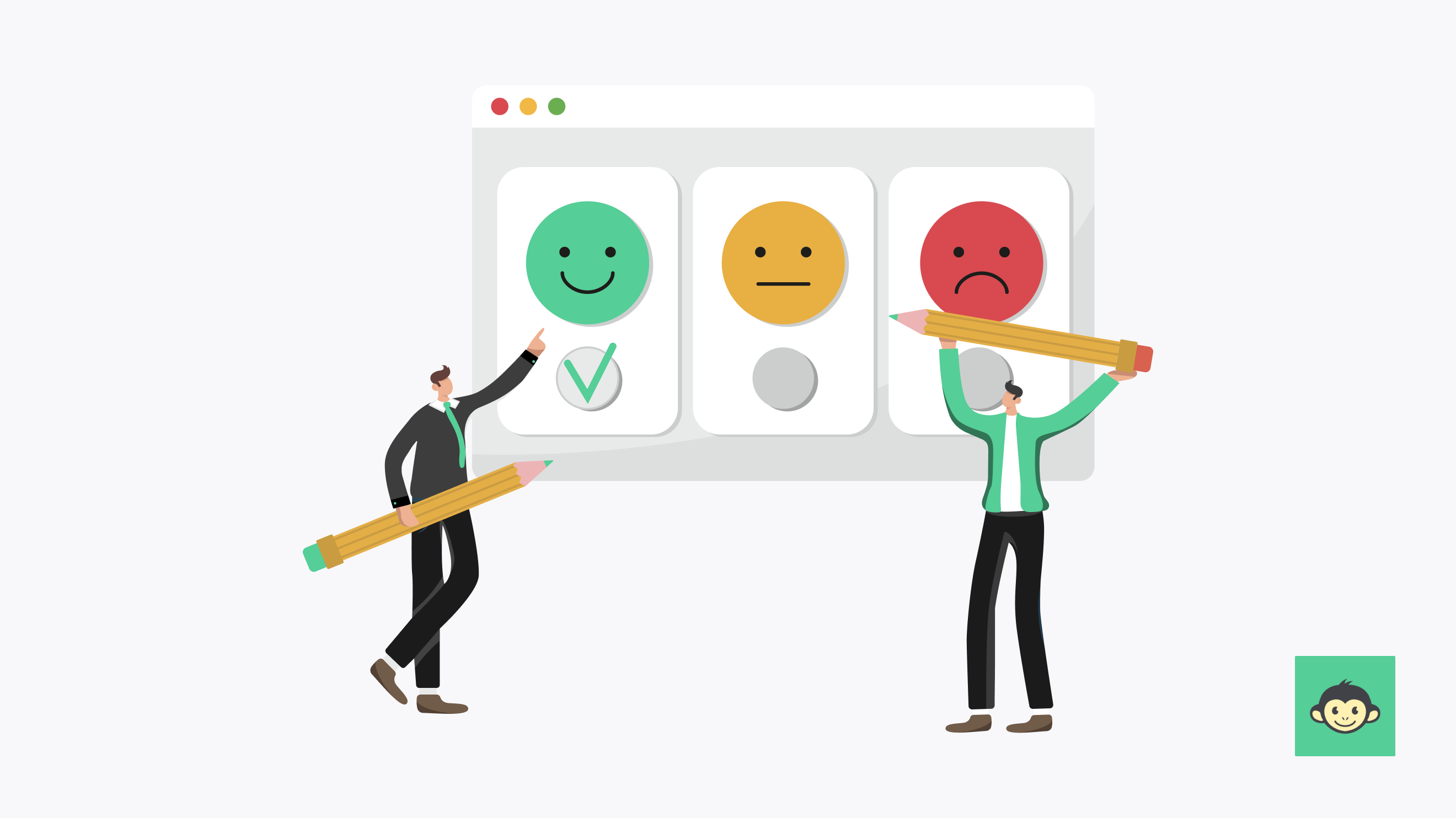
Encourage Participation and Feedback
Most marketing emails are designed to broadcast.
They promote a product.
Announce a feature.
Share a blog post.
Push a sale.
But the most effective email programs don’t just talk to subscribers — they involve them.
Encouraging participation and feedback transforms email from a one-way channel into a relationship-building tool. It increases engagement, improves deliverability, strengthens loyalty, and provides insights that improve your overall marketing strategy.
In a crowded inbox, interaction is power.
This article explores why participation matters, the psychology behind engagement, and practical strategies to drive feedback and active involvement in your marketing emails.
Why Participation Matters
Email engagement isn’t just about open rates or clicks. It’s about signals.
When subscribers reply, click, vote, complete surveys, or interact with dynamic elements, they send positive engagement signals to inbox providers. These signals can:
-
Improve sender reputation
-
Increase inbox placement
-
Reduce spam filtering
-
Strengthen long-term deliverability
Beyond technical performance, participation builds emotional investment. When subscribers contribute, they feel heard. When they feel heard, they’re more likely to stay.
Participation creates ownership.
The Psychology of Participation
People engage when they feel:
-
Valued
-
Curious
-
Recognized
-
Empowered
-
Rewarded
Participation isn’t just about asking for feedback. It’s about designing experiences that make engagement feel meaningful and easy.
The simpler the action, the higher the response rate.
The clearer the benefit, the stronger the motivation.
Start With the Right Expectation
Encouraging participation begins at signup.
When subscribers join your list, set expectations:
-
“We’ll occasionally ask for your opinion.”
-
“Help us shape what we create.”
-
“Reply anytime — we read every message.”
This primes engagement behavior from the beginning.
If subscribers expect interaction, participation feels natural rather than intrusive.
Make Replying Easy and Personal
One of the most underused engagement tools in email marketing is the reply button.
Many brands use “no-reply” addresses. This discourages conversation.
Instead:
-
Use a monitored reply address.
-
Invite direct responses.
-
Ask simple, open-ended questions.
For example:
-
“What’s your biggest challenge with [topic]?”
-
“Hit reply and tell us what you think.”
-
“What should we cover next?”
When subscribers reply, inbox providers see that as a strong engagement signal.
More importantly, it humanizes your brand.
Ask Specific Questions
Generic requests like “Let us know your thoughts” often generate low response rates.
Specific questions perform better:
-
“Which of these features matters most to you?”
-
“Are you more interested in A or B?”
-
“What’s one thing we could improve?”
Clarity reduces friction.
If answering requires too much thought, subscribers won’t respond.
Keep it simple.
Use One-Click Polls
Quick polls are powerful participation tools.
Instead of linking to a long survey, include:
-
Two to four answer options
-
Clear buttons
-
Instant participation
Example:
What content do you want more of?
-
Tutorials
-
Case studies
-
Industry news
-
Product updates
One click lowers resistance.
You can follow up with deeper surveys later for those who engage.
Leverage Micro-Commitments
Small actions build momentum.
Instead of asking for a 10-minute survey immediately, start with:
-
A rating scale (1–5)
-
A thumbs up/thumbs down
-
A “Was this helpful?” button
Micro-commitments make participation feel effortless.
Once subscribers take small actions, they’re more likely to engage again.
Personalize Participation Requests
Participation increases when requests feel relevant.
Segment your audience by:
-
Purchase history
-
Engagement level
-
Customer lifecycle stage
-
Product usage
For example:
-
Ask new customers about onboarding experience.
-
Ask long-term customers for testimonials.
-
Ask inactive subscribers what would re-engage them.
Relevance increases response.
Explain the Benefit of Feedback
People are more likely to participate when they understand the impact.
Instead of saying:
“Complete our survey.”
Say:
“Help us improve your experience.”
“Your feedback shapes what we build next.”
“We read every response.”
When subscribers see that feedback influences decisions, participation feels meaningful.
Share the Results
If you run a poll or survey, share outcomes.
Example:
“Last week we asked what you wanted more of. 62% said tutorials — so here’s your first one.”
This closes the loop.
It reinforces that participation matters.
It builds trust.
Offer Incentives Thoughtfully
Incentives can increase response rates, but they must be aligned with your brand.
Examples:
-
Entry into a giveaway
-
Discount codes
-
Early access
-
Exclusive content
-
Loyalty points
Be cautious of attracting low-quality responses purely for rewards.
If incentives are used, ensure they encourage thoughtful participation.
Use Interactive Email Elements
Modern email technology allows for interactive features such as:
-
Embedded surveys
-
Star ratings
-
Image carousels
-
Countdown timers
-
Expandable sections
Interactive elements increase engagement and curiosity.
However, ensure compatibility across email clients.
Always provide fallback options.
Spotlight Subscriber Contributions
Recognition drives participation.
Feature:
-
Customer testimonials
-
User-generated content
-
Community highlights
-
Success stories
When subscribers see peers featured, they’re more likely to contribute.
Recognition is a powerful motivator.
Create Community Feeling
Participation increases when subscribers feel part of something larger.
Use language like:
-
“Join the conversation.”
-
“Our community is shaping this.”
-
“You’re one of our most engaged readers.”
Even small acknowledgments create belonging.
Belonging drives action.
Ask at the Right Moment
Timing matters.
Good moments to request feedback:
-
After a purchase
-
After onboarding
-
After customer support interaction
-
After delivering value (e.g., guide download)
-
After consistent engagement
Avoid asking for feedback immediately after a promotional push unless there’s clear context.
Participation should feel natural.
Keep Surveys Short
If using longer surveys:
-
Be transparent about length.
-
Show progress indicators.
-
Limit questions to essentials.
-
Avoid repetitive or irrelevant prompts.
The shorter the survey, the higher the completion rate.
Respect subscriber time.
Use Behavioral Triggers
Automated triggers can encourage targeted participation.
Examples:
-
If a subscriber clicks a feature link multiple times, ask about their interest.
-
If someone hasn’t opened emails recently, ask what would make them more valuable.
-
If a customer reaches a milestone, invite a review.
Behavior-based feedback requests feel personalized and timely.
Make It Visually Clear
Design influences participation.
To encourage interaction:
-
Use clear, contrasting buttons.
-
Keep call-to-action copy short.
-
Place participation prompts above the fold.
-
Limit competing CTAs.
Too many options reduce action.
Focus on one primary engagement goal per email.
Be Conversational
Participation increases when tone feels human.
Instead of:
“We would appreciate your feedback regarding your experience.”
Try:
“Can I ask you a quick question?”
Conversational tone reduces distance.
It invites response rather than demands it.
Test and Optimize
Track engagement metrics such as:
-
Click-through rate on polls
-
Survey completion rate
-
Reply rate
-
Subsequent open rates
-
Unsubscribe rate after feedback requests
A/B test:
-
Question phrasing
-
Button design
-
Incentives
-
Email length
-
Timing
Continuous improvement strengthens participation over time.
Re-Engagement Through Feedback
When subscribers become inactive, asking for feedback can revive engagement.
Examples:
-
“Still interested in hearing from us?”
-
“What topics would you prefer?”
-
“Should we send fewer emails?”
This approach shows respect and gives control back to the subscriber.
Giving control builds trust.
Build a Feedback Loop Into Strategy
Participation should not be occasional.
Integrate it consistently:
-
Quarterly surveys
-
Monthly polls
-
Post-purchase follow-ups
-
Ongoing reply invitations
The more normalized feedback becomes, the more engagement stabilizes.
Consistency builds habit.
The Deliverability Advantage
Engagement impacts inbox placement.
When subscribers:
-
Click
-
Reply
-
Scroll
-
Interact
Email providers interpret this as positive engagement.
Higher engagement improves sender reputation.
Improved reputation increases inbox visibility.
Participation protects your email program long-term.
Avoid Common Mistakes
To maximize participation, avoid:
1. Over-Requesting Feedback
Constant surveys create fatigue.
2. Ignoring Responses
If subscribers provide input and see no changes, trust declines.
3. Making Feedback Complex
Long, confusing surveys reduce completion.
4. Sending From “No-Reply” Addresses
This discourages conversation.
5. Overloading With Multiple CTAs
Focus increases action.
Participation Strengthens Retention
When subscribers interact, they become invested.
Participation:
-
Increases familiarity.
-
Builds emotional connection.
-
Strengthens loyalty.
-
Reduces churn.
-
Increases lifetime value.
Subscribers who contribute are less likely to unsubscribe.
Engagement creates stickiness.
Turning Feedback Into Action
Encouraging participation is only half the process.
The real value lies in using feedback to:
-
Improve products
-
Refine messaging
-
Adjust frequency
-
Develop new content
-
Enhance customer experience
Communicate improvements clearly.
Example:
“You asked for shorter emails — so we’ve streamlined them.”
This reinforces the impact of participation.
Marketing emails perform best when they are conversations, not broadcasts.
Encouraging participation and feedback:
-
Strengthens relationships.
-
Improves deliverability.
-
Enhances personalization.
-
Increases retention.
-
Provides strategic insight.
The key principles are simple:
-
Make participation easy.
-
Make it meaningful.
-
Make it relevant.
-
Close the loop.
-
Respect subscriber time.
Inboxes are crowded.
Interaction sets you apart.
When subscribers feel heard, they engage more.
When they engage more, your email program becomes stronger, more resilient, and more profitable over time.
Participation isn’t just an engagement tactic.
It’s a relationship strategy.