A Strategic Guide for Business Leaders
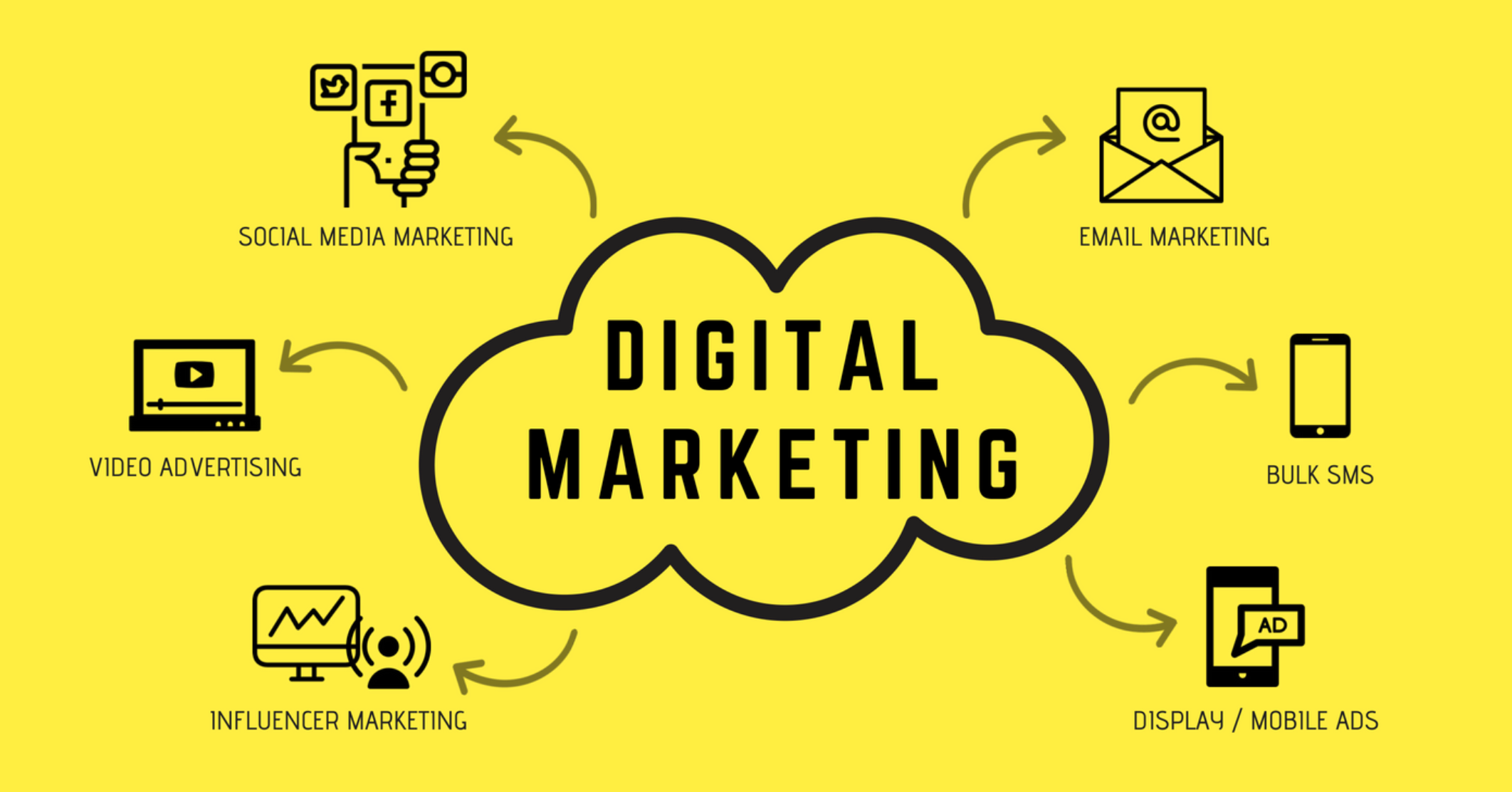
Selecting the right online marketing company is a high-stakes decision. Digital marketing directly influences revenue growth, brand perception, customer acquisition costs, and long-term competitiveness. Yet the marketplace is crowded with agencies promising rapid results, proprietary systems, and guaranteed returns. For business leaders, distinguishing between credible partners and underqualified vendors requires a structured evaluation process.
This article provides a comprehensive framework for assessing and selecting an online marketing company. It outlines strategic, operational, financial, and cultural factors that should guide decision-making, helping organizations secure a partner capable of delivering measurable, sustainable growth.
1. Strategic Alignment and Business Understanding
The first and most critical factor is strategic alignment. An effective online marketing company must demonstrate a clear understanding of your business model, industry dynamics, and growth objectives.
Before discussing tactics, the agency should ask questions such as:
-
What are your primary revenue drivers?
-
What is your average customer lifetime value?
-
What is your current customer acquisition cost?
-
Who are your most profitable customer segments?
-
What differentiates your offering in the market?
-
What are your short- and long-term growth targets?
If a marketing company focuses immediately on channels (e.g., “You need more Google Ads” or “You should be on TikTok”) without first understanding your business strategy, that is a warning sign. Digital tactics must serve overarching business goals, not operate in isolation.
A credible partner will prioritize outcomes—revenue growth, margin improvement, brand positioning—rather than vanity metrics such as impressions or follower counts.
2. Demonstrated Expertise and Proven Results
Experience and track record matter. When evaluating an online marketing company, request concrete evidence of past performance.
Look for:
-
Case studies with measurable results
-
Client testimonials from reputable businesses
-
Examples of long-term client relationships
-
Industry-specific expertise
-
Before-and-after performance metrics
Strong case studies should provide clear context: the client’s challenge, strategy implemented, budget considerations, timeline, and quantifiable outcomes.
If an agency claims exceptional results but cannot provide specific examples, proceed cautiously. Transparency in performance reporting reflects professionalism and confidence.
3. Specialization vs. Full-Service Capabilities
Online marketing encompasses multiple disciplines, including:
-
Search engine optimization (SEO)
-
Pay-per-click (PPC) advertising
-
Social media marketing
-
Content marketing
-
Conversion rate optimization (CRO)
-
Analytics and attribution modeling
-
Marketing automation
Some agencies specialize in one core area, while others position themselves as full-service providers.
Your choice should reflect your needs:
-
If you require deep technical SEO expertise, a specialized firm may be ideal.
-
If you need integrated, cross-channel strategy, a full-service agency may offer better coordination.
Be cautious of firms claiming expertise in every area without demonstrating depth in any. Ask about certifications, technical qualifications, and team structure to assess whether capabilities are genuine.
4. Data-Driven Approach and Analytical Competence
Online marketing is measurable by nature. A reputable agency should prioritize data analysis and continuous optimization.
Evaluate whether the company:
-
Defines key performance indicators (KPIs) clearly
-
Uses analytics tools effectively
-
Provides regular performance reports
-
Conducts A/B testing
-
Optimizes campaigns based on real-time data
-
Understands attribution modeling
Reporting should focus on business impact—not just surface-level statistics. For example, traffic growth is meaningful only if it drives qualified leads or sales.
Ask to review sample reports. They should be clear, transparent, and aligned with business objectives.
5. Transparency and Communication
Clear communication is fundamental to a productive partnership.
An effective online marketing company should:
-
Provide detailed proposals outlining scope of work
-
Clearly define deliverables and timelines
-
Explain pricing structures transparently
-
Offer regular updates and strategy reviews
-
Be responsive to inquiries
Ambiguity in pricing or vague descriptions of services often indicate a lack of structure.
Additionally, consider communication style. Do they explain complex concepts clearly? Are they proactive in sharing insights? Strong communication fosters trust and accountability.
6. Cultural Fit and Collaboration Style
Marketing partnerships often extend over months or years. Cultural alignment between your internal team and the agency is therefore essential.
Consider:
-
Do they listen actively?
-
Are they open to feedback?
-
Do they challenge assumptions constructively?
-
Do they demonstrate curiosity about your industry?
-
Do they align with your brand values?
A successful partnership should feel collaborative rather than transactional. Agencies that impose rigid frameworks without considering your organization’s culture may struggle to integrate effectively.
7. Ethical Practices and Compliance
Digital marketing must adhere to legal and ethical standards.
Ensure the agency follows:
-
Search engine guidelines (avoiding black-hat tactics)
-
Data protection regulations
-
Transparent advertising disclosures
-
Ethical email marketing practices
Shortcuts that manipulate algorithms or misuse customer data may deliver temporary gains but can result in penalties, reputational damage, or legal consequences.
Ask about compliance policies and data security practices, particularly if customer data will be shared.
8. Technology Stack and Technical Competence
Modern marketing relies heavily on technology.
Assess whether the agency is proficient with:
-
Analytics platforms
-
CRM systems
-
Marketing automation tools
-
Advertising platforms
-
Content management systems
Integration between systems is particularly important. For example, linking advertising data to CRM insights enables better attribution and performance measurement.
If your business uses specific platforms, ensure the agency has experience working within that ecosystem.
9. Clear Pricing Models and Contract Terms
Understanding the agency’s pricing structure is critical.
Common pricing models include:
-
Monthly retainer
-
Project-based fees
-
Performance-based compensation
-
Percentage of ad spend
-
Hybrid models
Each model has advantages and limitations. For example, a percentage-of-ad-spend model may incentivize increased spending rather than efficiency.
Review contract terms carefully, including:
-
Minimum contract duration
-
Termination clauses
-
Ownership of creative assets
-
Access to advertising accounts
-
Reporting frequency
You should retain ownership of accounts and data whenever possible.
10. Realistic Expectations and Honest Forecasting
Be wary of agencies that promise guaranteed rankings, instant traffic surges, or unrealistic revenue projections.
Effective marketing requires testing, iteration, and time. A trustworthy agency will provide:
-
Realistic timelines
-
Conservative projections
-
Transparent risk assessments
-
Clear assumptions underlying forecasts
Overpromising is often a sign of inexperience or desperation.
11. Creative Capability and Brand Sensitivity
Marketing effectiveness depends not only on technical precision but also on compelling creative execution.
Evaluate:
- of copywriting
-
Design sophistication
-
Messaging clarity
-
Brand consistency
-
Audience relevance
Creative work should align with your brand voice and positioning. Agencies that produce generic messaging across clients may struggle to differentiate your offering.
Request portfolio examples to assess creative standards.
12. Strategic Thinking vs. Tactical Execution
Some agencies excel at executing tasks but lack strategic depth. Others provide high-level strategy but weak implementation.
Ideally, your marketing partner should deliver both:
-
Strategic planning
-
Tactical execution
-
Continuous optimization
Ask how they develop marketing strategies. Do they conduct research, competitive analysis, and audience segmentation before launching campaigns?
A strong agency will articulate a clear roadmap rather than jumping directly into execution.
13. Client Retention and Reputation
Client retention rates often reflect satisfaction levels.
Consider:
-
How long do clients typically stay?
-
Why do clients leave?
-
Are references available?
Independent reviews and industry recognition can also provide insight into reputation.
Consistent long-term relationships indicate reliability and sustained performance.
14. Onboarding Process and Project Management
A structured onboarding process signals professionalism.
Effective onboarding typically includes:
-
Discovery sessions
-
Goal-setting workshops
-
Market research
-
Technical audits
-
Timeline planning
-
Clear assignment of responsibilities
Ask about project management methodologies. Agencies using structured workflows and collaboration tools often deliver more consistent results.
15. Scalability and Growth Capability
Your business will evolve. The marketing company you choose should be capable of supporting future growth.
Consider whether the agency can:
-
Expand services as needed
-
Scale advertising budgets efficiently
-
Support international campaigns
-
Adapt to new technologies
-
Handle increased complexity
Choosing a partner solely for short-term needs may require switching agencies as you grow, which can disrupt continuity.
16. Performance Accountability
Accountability distinguishes effective partners from underperforming vendors.
Ensure the agency:
-
Defines success metrics clearly
-
Accepts responsibility for results
-
Provides performance reviews
-
Adjusts strategy when necessary
-
Recommends budget reallocations based on data
Marketing performance should be a shared responsibility, but the agency must own its strategic and tactical execution.
17. Red Flags to Avoid
Common warning signs include:
-
Guaranteed results
-
Lack of clear reporting
-
Vague service descriptions
-
Poor communication responsiveness
-
Short-term tactics without long-term vision
-
Reluctance to provide references
-
Proprietary systems without transparency
Identifying red flags early prevents costly missteps.
Hiring an online marketing company is a strategic investment decision that can significantly influence revenue trajectory and brand positioning. The right partner brings strategic insight, technical expertise, creative excellence, data-driven decision-making, and collaborative alignment.
Business leaders should evaluate agencies holistically—examining strategic fit, track record, transparency, cultural compatibility, and long-term scalability. By conducting thorough due diligence and prioritizing measurable outcomes, organizations can secure marketing partnerships that drive sustainable digital growth.
Ultimately, the most effective online marketing companies do more than execute campaigns. They function as strategic growth partners, aligning marketing initiatives with business objectives and continuously optimizing performance in an increasingly competitive digital landscape.