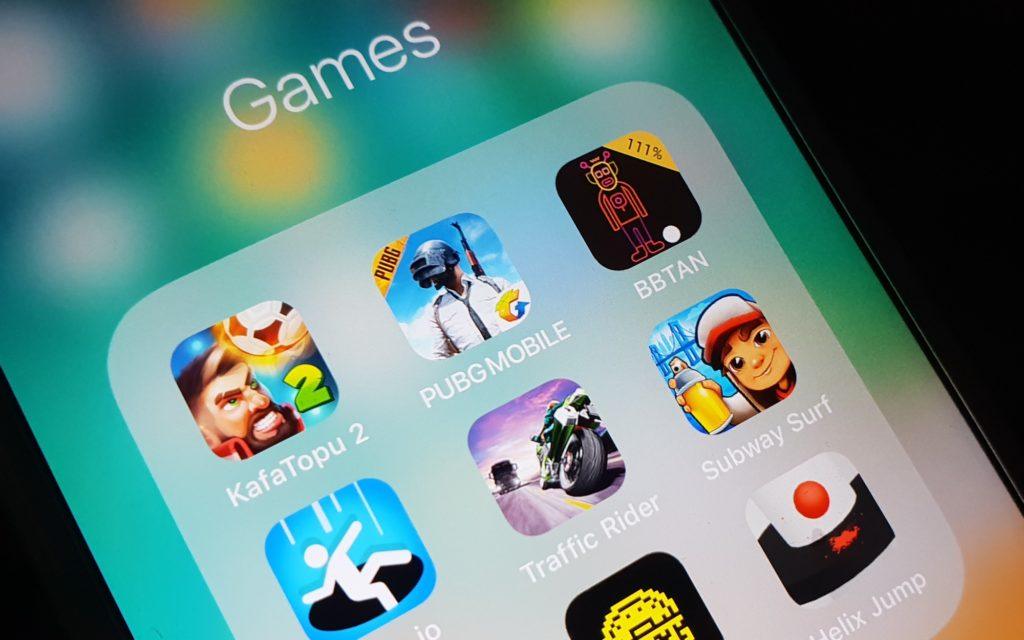
A Multidisciplinary Endeavor
Building a mobile gaming app is a multidisciplinary endeavor that blends creativity, software engineering, user experience design, business strategy, and ongoing live operations. Whether you’re an indie developer or part of a larger studio, the journey from idea to launch (and beyond) involves a series of structured steps. This comprehensive guide walks you through the entire process—from concept development to post-launch scaling—in detail.
1. Define the Game Concept
Every successful mobile game begins with a clear and compelling concept.
Identify Your Core Idea
Start by answering fundamental questions:
-
What genre is your game? (e.g., puzzle, strategy, RPG, hyper-casual, simulation)
-
Who is your target audience?
-
What makes your game different from existing titles?
-
Is it single-player, multiplayer, or both?
-
What platform(s) will you launch on—iOS, Android, or cross-platform?
Your concept should include:
-
Core gameplay loop (what players repeatedly do)
-
Player progression system
-
Monetization model
-
Visual and narrative direction
Validate the Idea
Before writing code, validate your idea:
-
Research competitors in app stores.
-
Analyze top-ranking games in your genre.
-
Read user reviews to identify pain points.
-
Conduct surveys or small focus groups.
If possible, create a simple playable prototype or even a paper prototype to test mechanics quickly.
2. Conduct Market Research
Market research helps you align your game with demand and identify opportunities.
Analyze the Market
Study:
-
Current trends (e.g., idle games, roguelike elements, multiplayer co-op)
-
Revenue models in similar games
-
Download statistics and reviews
-
Regional preferences
Understand:
-
What players enjoy
-
Why games succeed or fail
-
How saturated your genre is
Define Your Unique Value Proposition (UVP)
Your UVP answers:
Why should players download your game instead of another?
It could be:
-
Innovative mechanics
-
Unique art style
-
Strong storytelling
-
Social multiplayer features
-
Highly polished gameplay
A strong UVP will guide design and marketing decisions.
3. Create a Game Design Document (GDD)
The Game Design Document is your blueprint.
What to Include
-
Game Overview
-
Gameplay Mechanics
-
Storyline and Characters
-
Level Design Structure
-
Art Style and Sound Direction
-
Technical Requirements
-
Monetization Strategy
-
UI/UX Flow
-
Development Timeline
Keep the GDD flexible. It’s a living document that evolves as development progresses.
4. Choose Your Development Approach
Native vs Cross-Platform
You must decide between:
Native Development
-
Swift/Objective-C for iOS
-
Kotlin/Java for Android
-
Better optimization
-
Platform-specific performance advantages
Cross-Platform Development
-
Unity (C#)
-
Unreal Engine (C++)
-
Godot
-
Flutter (for simpler games)
For most mobile games, Unity or Unreal Engine is preferred due to:
-
Built-in physics engines
-
Asset stores
-
Cross-platform export
-
Large community support
5. Plan the Technical Architecture
Before coding, define:
-
Game loop architecture
-
State management
-
Data storage (local or cloud)
-
Backend requirements (if multiplayer)
-
Analytics integration
-
Ad network integration
-
In-app purchase system
Backend Considerations
If your game includes:
-
Multiplayer
-
Leaderboards
-
Cloud saves
-
User accounts
You will need:
-
Server infrastructure (e.g., AWS, Firebase)
-
Database (SQL or NoSQL)
-
API endpoints
-
Real-time communication protocols (WebSockets)
Scalability is critical—design your architecture to handle growth.
6. Develop a Prototype
A prototype is a simplified version of your game focused only on core mechanics.
Goals of Prototyping
-
Validate gameplay loop
-
Test difficulty curve
-
Assess user engagement
-
Identify technical challenges early
Avoid polishing visuals during this phase. Focus on functionality.
7. Design UI and UX
Mobile gaming UX is crucial because users expect smooth, intuitive experiences.
UI Principles
-
Large, touch-friendly buttons
-
Clear feedback for every action
-
Minimal clutter
-
Responsive animations
-
Readable typography
UX Considerations
-
Onboarding tutorial must be simple and engaging
-
Keep load times minimal
-
Avoid overwhelming new users
-
Ensure menus are easy to navigate
-
Design for short play sessions (common in mobile gaming)
Test UI prototypes with real users.
8. Create Game Assets
Visual Assets
Depending on your game style, you may need:
-
2D sprites
-
3D models
-
Animations
-
Backgrounds
-
Icons
-
Particle effects
Tools:
-
Photoshop
-
Illustrator
-
Blender
-
Spine (for animation)
Maintain consistent art direction.
Audio Assets
Include:
-
Background music
-
Sound effects
-
UI interaction sounds
-
Voiceovers (if needed)
Sound enhances immersion and emotional engagement.
9. Core Game Development
Now comes the main development phase.
Implement Core Systems
-
Player controls
-
Physics and collision
-
Game state management
-
Level progression
-
Scoring system
-
Save/load functionality
Build the Gameplay Loop
Ensure your game loop includes:
-
Action (play)
-
Reward
-
Upgrade/progression
-
Motivation to replay
Optimize for Performance
Mobile devices have:
-
Limited RAM
-
Limited battery
-
Variable hardware
Optimization strategies:
-
Reduce draw calls
-
Compress textures
-
Use object pooling
-
Minimize background processes
Test on low-end devices, not just high-end ones.
10. Add Monetization
Monetization must be thoughtfully integrated.
Common Monetization Models
-
In-App Purchases (IAP)
-
Cosmetic items
-
Power-ups
-
Currency packs
-
-
Ads
-
Banner ads
-
Interstitial ads
-
Rewarded video ads
-
-
Subscription
-
VIP membership
-
Exclusive content
-
-
Premium Model
-
One-time purchase
-
Best Practices
-
Avoid pay-to-win imbalance.
-
Use rewarded ads instead of intrusive ones.
-
Offer meaningful value in purchases.
-
Be transparent about pricing.
11. Integrate Analytics
Analytics help you understand player behavior.
Track:
-
Session length
-
Retention rate
-
Churn rate
-
Purchase behavior
-
Level completion rate
Tools:
-
Firebase Analytics
-
GameAnalytics
-
Unity Analytics
Data-driven decisions significantly increase success chances.
12. Testing and Quality Assurance
Testing is continuous throughout development.
Types of Testing
-
Functional Testing
-
Does everything work?
-
-
Performance Testing
-
Frame rate
-
Memory usage
-
Battery consumption
-
-
Usability Testing
-
Is onboarding clear?
-
Is UI intuitive?
-
-
Compatibility Testing
-
Multiple screen sizes
-
OS versions
-
-
Beta Testing
-
Closed beta group
-
Soft launch in limited regions
-
Fix bugs before scaling marketing.
13. Soft Launch
A soft launch is releasing the game in a limited region.
Purpose:
-
Test monetization
-
Analyze retention
-
Gather feedback
-
Fix balancing issues
Common soft launch regions:
-
Canada
-
Australia
-
Scandinavian countries
Metrics to monitor:
-
Day 1 retention
-
Day 7 retention
-
Cost per install (CPI)
-
Lifetime value (LTV)
Iterate until metrics are strong.
14. Prepare for App Store Submission
Requirements
For iOS:
-
Apple Developer Account
-
App Store guidelines compliance
-
Privacy policy
-
App Store screenshots
-
App preview video
For Android:
-
Google Play Developer Account
-
Play Store listing
-
Content rating
App Store Optimization (ASO)
ASO improves discoverability.
Focus on:
-
Keywords in title and description
-
High-quality screenshots
-
Compelling trailer video
-
Positive reviews
ASO significantly affects organic downloads.
15. Launch Strategy
A successful launch requires marketing preparation.
Pre-Launch Marketing
-
Create a landing page
-
Build a social media presence
-
Share development progress
-
Collect email subscribers
-
Create teaser videos
Influencer Marketing
Partner with:
-
Mobile gaming YouTubers
-
Twitch streamers
-
TikTok creators
Gameplay demonstrations increase trust and installs.
Paid Advertising
Use:
-
Facebook Ads
-
Google Ads
-
TikTok Ads
-
Unity Ads
Test creatives and optimize based on data.
16. Post-Launch Support
Launch is not the end—it’s the beginning.
Live Operations (LiveOps)
Continuously:
-
Add new levels
-
Introduce seasonal events
-
Release new characters
-
Balance gameplay
Regular updates increase retention.
Community Management
-
Respond to reviews
-
Manage social channels
-
Listen to player feedback
-
Address complaints quickly
Community engagement builds loyalty.
17. Scaling the Game
If the game gains traction:
Improve Infrastructure
-
Upgrade servers
-
Optimize database queries
-
Add regional servers
Expand Features
-
Multiplayer modes
-
Competitive events
-
Guild systems
-
Tournaments
Expand Globally
-
Localize text
-
Adapt monetization by region
-
Adjust cultural references
Localization increases downloads significantly.
18. Legal and Compliance Considerations
Ensure compliance with:
-
Data protection laws (GDPR, COPPA if targeting children)
-
Platform-specific policies
-
Age ratings
-
Advertising guidelines
Include:
-
Terms of service
-
Privacy policy
-
Clear refund policy
Legal mistakes can lead to removal from app stores.
19. Budget Planning
Costs may include:
-
Development team salaries
-
Art and sound production
-
Marketing budget
-
Server hosting
-
Software licenses
-
App store fees
Indie developers may spend a few thousand dollars, while large studios invest millions.
Budget realistically and plan for marketing—many games fail due to lack of visibility, not quality.
20. Team Structure
A typical team includes:
-
Game Designer
-
Programmer(s)
-
Artist(s)
-
Animator
-
Sound Designer
-
QA Tester
-
Marketing Specialist
-
Product Manager
Small teams may combine roles.
Clear communication is essential.
21. Continuous Improvement
Use data and feedback to improve:
-
Fix weak retention points
-
Adjust difficulty curves
-
Refine monetization balance
-
Improve onboarding
A/B testing can optimize:
-
UI layouts
-
Pricing models
-
Ad frequency
-
Tutorial structure
Iterate continuously.
22. Common Mistakes to Avoid
-
Over-scoping the project
-
Ignoring market research
-
Poor onboarding
-
Overloading ads
-
Neglecting analytics
-
Skipping soft launch
-
Not optimizing for low-end devices
-
Underestimating marketing costs
Avoiding these mistakes dramatically increases your success rate.
23. Emerging Trends in Mobile Gaming
Stay informed about:
-
AI-generated content
-
Procedural level design
-
Cross-platform play
-
Augmented reality integration
-
Blockchain/NFT elements (with caution)
-
Cloud gaming
Adapting to trends can give your game a competitive edge.
24. Measuring Success
Key performance indicators (KPIs):
-
DAU (Daily Active Users)
-
MAU (Monthly Active Users)
-
ARPU (Average Revenue Per User)
-
LTV (Lifetime Value)
-
Retention rates
-
Conversion rates
Successful games balance engagement with sustainable monetization.
25. A Marathon
Building a mobile gaming app is a marathon, not a sprint. The process demands creativity, discipline, technical skill, and business insight. From ideation and prototyping to launch and scaling, each phase requires strategic thinking and iterative improvement.
The most important principles are:
-
Start small.
-
Test early.
-
Iterate often.
-
Listen to players.
-
Use data to guide decisions.
-
Prioritize user experience.
-
Plan marketing from day one.
Many mobile games fail not because they are poorly built, but because they lack polish, market fit, or post-launch support. Success comes from combining strong gameplay with smart business execution.
If you approach the process methodically—validating ideas, building a strong foundation, optimizing performance, integrating thoughtful monetization, and continuously improving—you significantly increase your chances of creating a successful mobile gaming app that players love and return to daily.
Building a mobile game is challenging, but with the right strategy, tools, and persistence, it can also be incredibly rewarding—both creatively and financially.