Micro-Journeys: The Small Steps That Make A Big Impact
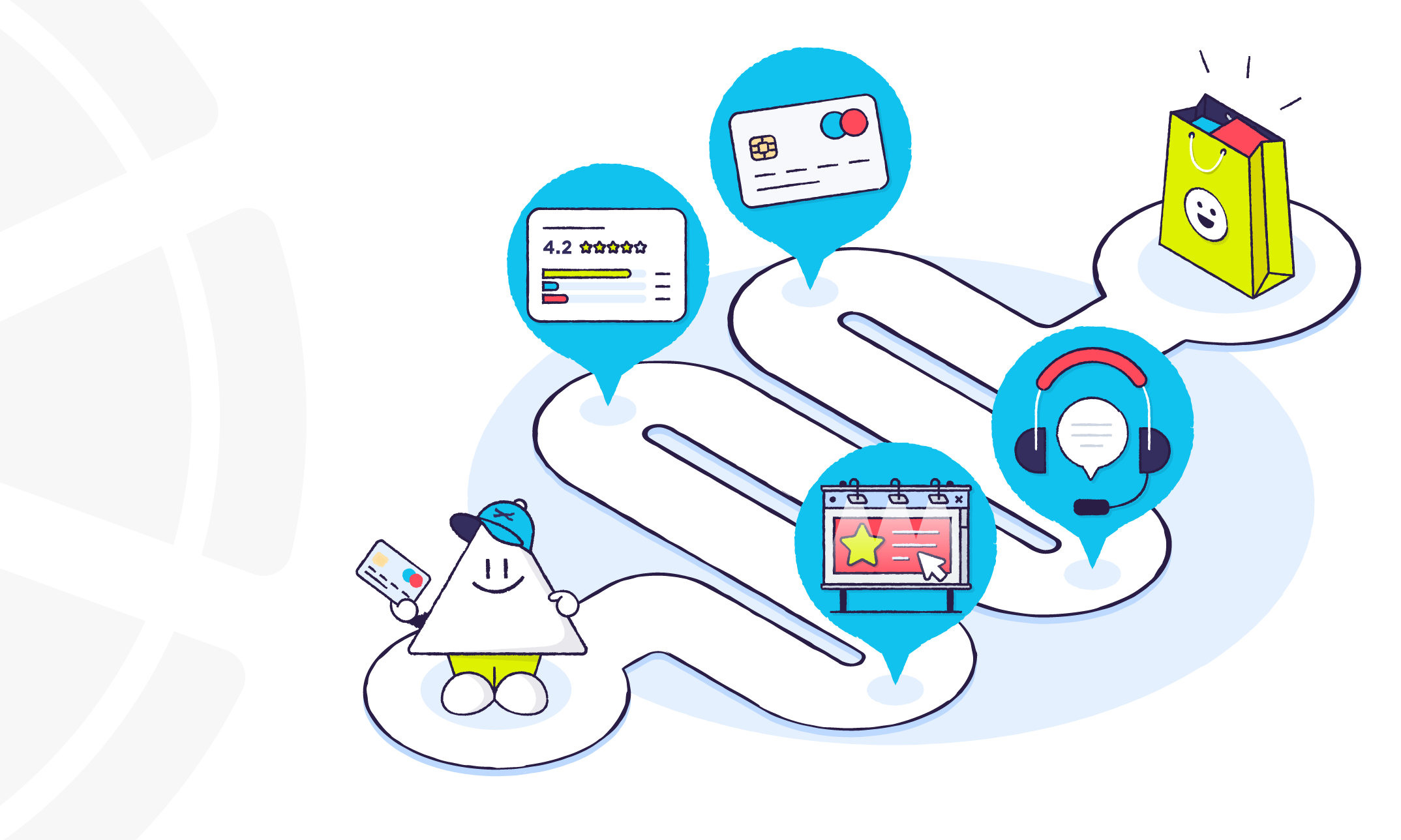
If you think of email marketing as a journey, most brands are basically putting their subscribers on a bus, handing them a map, and hoping they get somewhere. They send newsletters, promotions, maybe a birthday email, and call it a day. But what if I told you there’s a smarter, sassier, more human-friendly way to guide subscribers? Enter micro-journeys—small, purposeful, delightfully orchestrated email experiences that lead to big engagement wins.
Micro-journeys are the email marketing equivalent of breadcrumbs in Hansel and Gretel—but way less creepy and way more profitable. They’re bite-sized sequences designed to move subscribers through tiny decision points, building relationships, trust, and ultimately conversions.
This article dives into what micro-journeys are, why they matter, and how to create them with just the right balance of strategy and humor so your subscribers actually want to participate.
What Are Micro-Journeys Anyway?
Think of a micro-journey as a tiny expedition through your email ecosystem. Unlike traditional campaigns that blast the same content to everyone, micro-journeys are:
-
Small in scale: Usually 2–5 emails per sequence.
-
Targeted: Designed for specific behaviors or interests.
-
Purposeful: Each email nudges the subscriber closer to a goal.
-
Flexible: Can be adjusted based on engagement signals.
They’re not meant to replace full-blown lifecycle automation. They enhance it by creating focused, digestible experiences. Essentially, micro-journeys are email marketing for people with short attention spans—so, basically everyone.
Why Micro-Journeys Work
Subscribers are human. Humans have:
-
Short attention spans
-
A fear of commitment (yes, even to a newsletter)
-
Mild aversion to reading walls of text
-
A sneaky desire for fun, relevance, and occasional GIFs
Micro-journeys cater to all of this. Here’s why they work:
-
Small steps reduce friction
Asking someone to buy a $500 product in a single email is like proposing marriage on a first date. Micro-journeys break down big asks into tiny, digestible actions. -
Behavioral triggers improve timing
Micro-journeys respond to clicks, opens, and site activity. Subscribers get nudged when they’re actually ready—not when your marketing calendar says so. -
Engagement compounds
Each small interaction sends positive signals to email providers, improving deliverability and inbox placement. Open. Click. Respond. Repeat. It’s like doing email push-ups for your sender reputation. -
Personalization becomes easier
By segmenting based on micro-behaviors, you can tailor content more precisely, without creepy “we know too much about you” vibes.
Examples of Micro-Journeys
Let’s get specific. These are micro-journeys that actually work in the wild:
1. Welcome Mini-Series
Instead of a single, “Hey, welcome to our newsletter!” email, create a 3-email micro-journey:
-
Email 1: Warm greeting + brand story + light humor.
-
Email 2: Highlight most popular content or products (because social proof works).
-
Email 3: A small CTA to download a resource, complete a profile, or follow on social media.
Each step is tiny but meaningful, gradually introducing your brand without overwhelming the subscriber.
2. Abandoned Cart Nudges
The classic abandoned cart can feel aggressive if done wrong. A micro-journey softens the approach:
-
Email 1: Gentle reminder + witty tone (“Your cart is lonely. It misses you.”)
-
Email 2: Showcase customer reviews or “most-loved products” subtly nudging back to the cart.
-
Email 3: Small incentive if needed, like free shipping or a cheeky discount.
This approach respects the subscriber’s space while gently guiding them toward conversion.
3. Content Consumption Paths
Suppose a subscriber downloads your ultimate guide. Don’t just send a “Thanks” email and forget them. A micro-journey could be:
-
Email 1: Confirm download + quick tip from the guide.
-
Email 2: Related blog post or tutorial + CTA to explore more content.
-
Email 3: Feedback request on usefulness + subtle pitch for a related product or service.
This journey turns a single interaction into a multi-step engagement, increasing brand familiarity and trust.
4. Re-Engagement Campaigns
When subscribers go silent, micro-journeys can win them back without scaring them off:
-
Email 1: “We miss you” with a funny GIF.
-
Email 2: Ask for preference updates or content interests.
-
Email 3: Incentivized nudge (“Here’s 10% off… because we’re desperate—but in a charming way”).
By spacing these emails and making each one small and fun, you maximize the chances of reactivation.
How to Create Effective Micro-Journeys
Creating micro-journeys isn’t just throwing random emails together. Here’s a step-by-step guide:
Step 1: Define the Goal
Every micro-journey needs a purpose. Examples:
-
Collecting feedback
-
Boosting engagement
-
Driving a purchase
-
Encouraging content consumption
Without a clear goal, your micro-journey is just a sad email chain wandering the inbox.
Step 2: Identify Trigger Events
Micro-journeys are most effective when they respond to behavior:
-
New signup
-
First purchase
-
Cart abandonment
-
Content download
-
Email inactivity
Triggers ensure your journey feels timely, relevant, and non-creepy.
Step 3: Map the Micro-Steps
For each goal, map 2–5 small emails:
-
What action do you want subscribers to take?
-
What information do they need at each step?
-
How can you make it enjoyable?
Think of each email as a mini-episode in a sitcom. One joke per scene, one CTA per email.
Step 4: Write with Personality
Micro-journeys allow for personality and humor because each email is short. Tips:
-
Use conversational language
-
Add GIFs, memes, or emoji where appropriate
-
Be cheeky, but not insulting
-
Use subject lines that spark curiosity (“Psst… your cart is lonely”)
Humor helps your brand stand out in crowded inboxes while making engagement feel less transactional.
Step 5: Incorporate Interactivity
Interactive elements boost participation:
-
Polls or emoji reactions
-
Star-rating sliders
-
Mini quizzes
-
Clickable buttons with funny microcopy
For example:
“Which feature makes you feel like a superhero? 🦸♂️”
-
Option A: Speed
-
Option B: Convenience
-
Option C: Both (duh)
Engagement = fun + actionable insights.
Step 6: Segment Smartly
Not all subscribers are created equal. Segment your micro-journeys based on:
-
Behavior (clicks, opens, site visits)
-
Demographics (age, location, interests)
-
Engagement level (new, active, dormant)
This prevents the dreaded “one-size-fits-none” scenario. Personalization increases micro-journey effectiveness without turning creepy.
Step 7: Measure and Optimize
Micro-journeys are iterative. Key metrics include:
-
Open rates per email
-
Click-through rate per step
-
Conversion per micro-step
-
Completion rate of the journey
-
Feedback submitted
Use this data to tweak content, timing, and sequence length. Remember, micro-journeys aren’t static—they’re more like a choose-your-own-adventure series.
The Humor Advantage
Micro-journeys are perfect for injecting humor into email marketing:
-
It grabs attention: Funny subject lines increase opens.
-
It builds connection: Humor humanizes your brand.
-
It reduces friction: People are more willing to click, reply, or complete a survey if the experience is entertaining.
Humor should be relevant, light, and appropriate for your audience. No one wants to be roasted mid-newsletter unless you’re a satire brand.
Common Micro-Journey Mistakes
Even the best marketers slip sometimes. Avoid these traps:
-
Too many steps → Micro-journeys are supposed to be tiny. Keep them short and purposeful.
-
Ignoring timing → If your “welcome” email arrives six months after signup, humor won’t save you.
-
Generic copy → Micro-journeys thrive on personality. Don’t bore your subscribers.
-
Neglecting mobile → Most email opens are mobile. Buttons, GIFs, sliders—all must work on small screens.
-
No follow-up → Micro-journeys aren’t just fun; they need to drive action. Measure and iterate.
Bonus Tips for Maximum Impact
-
Test the humor: A/B test jokes, GIFs, or emojis to see what lands.
-
Use curiosity: Subject lines like “You won’t believe what your cart is doing” entice opens.
-
Celebrate micro-wins: “You completed step 2! You’re officially awesome.” Little affirmations make subscribers feel good.
-
Close the loop: If a micro-journey collects feedback, show how you’re acting on it. Nothing builds trust faster.
Micro-Journeys Are Tiny, But Mighty
Micro-journeys are like espresso shots for email marketing: small, concentrated bursts that pack a punch. They guide subscribers through manageable, engaging steps, build trust, increase conversions, and keep inbox fatigue at bay.
When done right, they transform passive subscribers into engaged, loyal participants. Humor, interactivity, personalization, and careful timing turn otherwise forgettable emails into delightful experiences.
Remember: subscribers don’t just want to be sold to. They want to be entertained, understood, and occasionally make the right click without guilt. Micro-journeys let you do all that, one tiny, perfectly crafted email at a time.
So, grab your GIFs, fire up your copy, and start designing micro-journeys that are:
-
Fun
-
Bite-sized
-
Purposeful
-
And maybe even slightly cheeky
Your subscribers will thank you. Your engagement metrics will thank you. And best of all, your marketing team can finally feel like wizards guiding people through an enchanted email forest—without anyone getting lost (or bored).