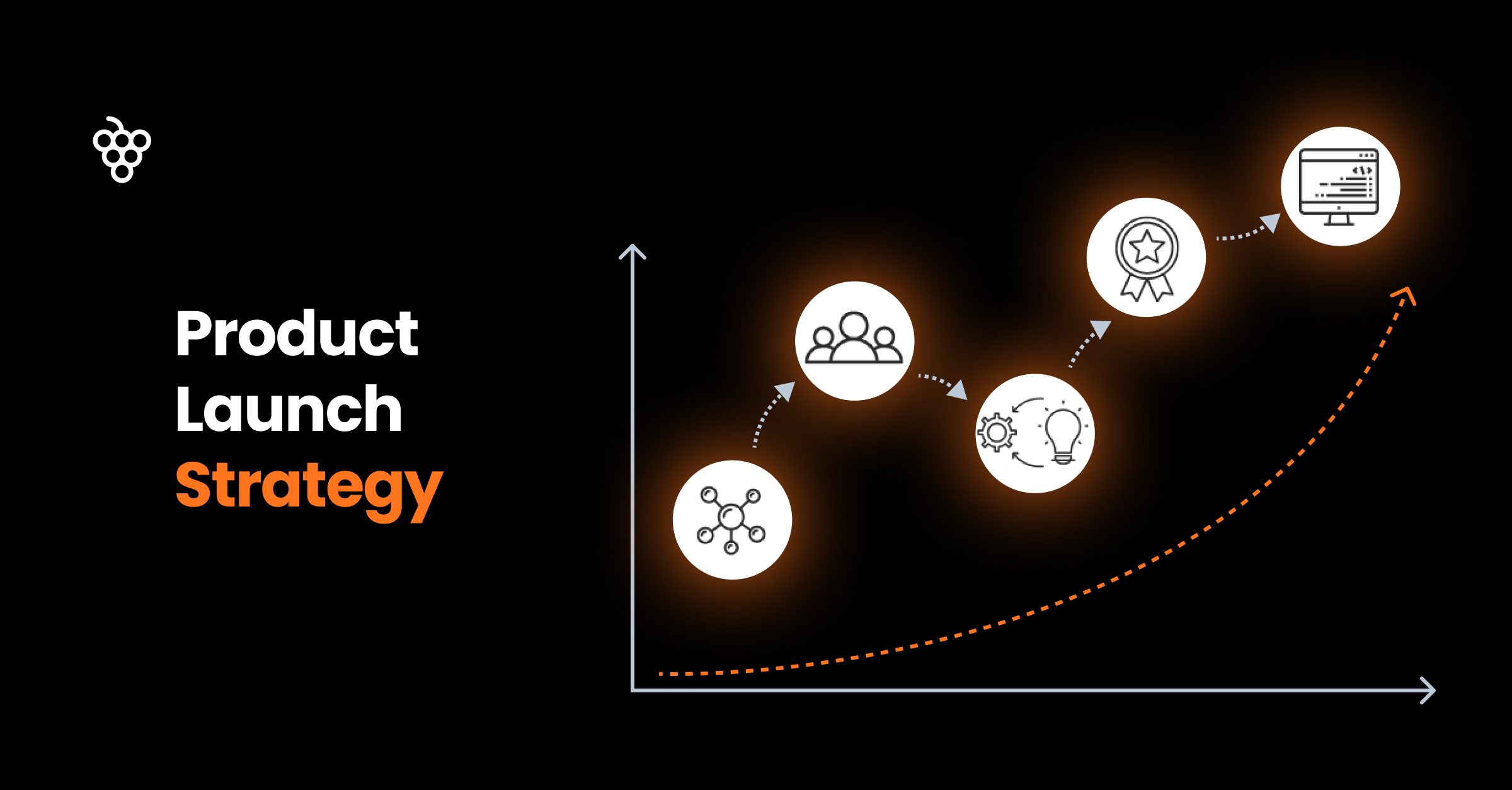
Are You Ready To Launch a New Product Online?
Launching a new product online is both an opportunity and a risk. Digital channels provide unprecedented access to global audiences, data-driven targeting capabilities, and scalable marketing tools. At the same time, competition is intense, customer expectations are high, and missteps can quickly erode credibility. A successful online product launch requires more than publishing a website and activating paid ads—it demands a coordinated strategy that integrates market validation, positioning, branding, marketing, operations, and post-launch optimization.
This article presents a structured framework for launching a new product online, guiding organizations from early-stage planning through post-launch growth. The focus is on strategic clarity, disciplined execution, and measurable performance.
1. Clarify the Strategic Objective
Before developing creative assets or promotional campaigns, organizations must clearly define the purpose of the launch. The objective will influence messaging, channel selection, and performance measurement.
Common launch objectives include:
-
Generating immediate revenue
-
Validating product-market fit
-
Building brand awareness
-
Entering a new market segment
-
Acquiring early adopters
-
Securing investor traction
-
Driving pre-orders or waitlist signups
Defining the primary objective ensures alignment across marketing, sales, product, and operations teams. It also clarifies which metrics matter most in the early stages.
2. Conduct Market and Customer Research
No amount of promotional activity can compensate for weak product-market alignment. Market research should precede launch planning and answer several key questions:
-
Who is the ideal customer?
-
What problem does the product solve?
-
How urgent is that problem?
-
What alternatives exist?
-
How are competitors positioning their solutions?
-
What price sensitivity exists in the market?
Develop detailed buyer personas that include demographic characteristics, behavioral patterns, motivations, pain points, and digital habits. Online behavior insights—such as preferred platforms, content consumption habits, and purchase triggers—are particularly valuable.
Competitive analysis should assess pricing models, customer reviews, messaging frameworks, and promotional tactics. Understanding how competitors succeed or fail provides insight into differentiation opportunities.
3. Define Your Value Proposition and Positioning
A compelling value proposition is the cornerstone of a successful online launch. It must clearly articulate:
-
The problem being solved
-
The target audience
-
The unique benefit offered
-
Why the product is superior or different
-
The measurable outcome customers can expect
Positioning should be simple, specific, and defensible. Avoid vague claims such as “innovative” or “high quality” without supporting evidence.
For digital launches, clarity is essential because customers often make rapid judgments based on headlines, landing pages, and product descriptions. The value proposition must be communicated within seconds.
4. Develop a Go-to-Market Strategy
A go-to-market (GTM) strategy defines how the product will be introduced, distributed, and promoted.
Key elements include:
-
Target segments and prioritization
-
Pricing model
-
Distribution channels
-
Marketing channels
-
Sales process (if applicable)
-
Launch timeline
-
Resource allocation
Online distribution options may include:
-
Direct-to-consumer ecommerce website
-
Third-party marketplaces
-
Mobile applications
-
Subscription platforms
-
B2B procurement portals
The GTM strategy should outline clear phases, such as pre-launch, launch week, and post-launch scaling.
5. Build and Optimize Your Online Infrastructure
Your digital infrastructure must be reliable, intuitive, and conversion-focused.
Website or Landing Page
The product website or landing page should include:
-
Clear headline and subheadline
-
Strong visual assets (images or video demonstrations)
-
Benefits-focused copy
-
Social proof (testimonials or early reviews)
-
Pricing transparency
-
Clear call-to-action (CTA)
-
FAQ section to reduce objections
Mobile optimization is critical. A significant portion of online traffic originates from mobile devices, and friction in the mobile experience can dramatically reduce conversion rates.
Technical Considerations
-
Fast load speeds
-
Secure payment processing
-
SSL certification
-
Checkout optimization
-
Analytics integration
-
CRM integration
-
Email automation setup
Technical reliability protects brand credibility during peak traffic periods.
6. Create Pre-Launch Momentum
Successful product launches often begin weeks or months before the official release date.
Build Anticipation
Pre-launch strategies may include:
-
Teaser campaigns on social media
-
Email waitlists
-
Early access registration
-
Countdown timers
-
Behind-the-scenes content
-
Influencer previews
Capturing email addresses prior to launch builds an owned audience, reducing reliance on paid advertising.
Beta Testing and Feedback
Offering early access to a limited group of users can generate valuable insights. Beta testers provide feedback that may uncover usability issues, feature gaps, or messaging improvements.
Additionally, early adopters can become brand advocates, generating testimonials and user-generated content.
7. Develop a Content Strategy
Content drives awareness, education, and conversion during a product launch.
Types of Launch Content
-
Product demonstration videos
-
Educational blog posts
-
Explainer guides
-
Webinars or live streams
-
Email campaigns
-
Social media posts
-
Influencer collaborations
-
Press releases
Content should align with the buyer journey:
-
Awareness: Educational and problem-focused content
-
Consideration: Comparison guides and case studies
-
Decision: Testimonials, limited-time offers, and product walkthroughs
Video content is particularly powerful during online launches because it communicates value quickly and visually.
8. Leverage Digital Marketing Channels
A coordinated channel strategy increases visibility and drives targeted traffic.
Search Engine Optimization (SEO)
Optimize landing pages and blog content for relevant keywords. Organic search visibility provides sustainable traffic beyond the initial launch period.
Paid Advertising
Paid campaigns can accelerate visibility. Options include:
-
Google Ads (search and display)
-
Social media advertising
-
Retargeting campaigns
-
Video advertising platforms
Ad messaging should be tightly aligned with landing page copy to maximize conversion rates.
Email Marketing
Email campaigns are highly effective for launch communication. Structured sequences may include:
-
Pre-launch announcement
-
Launch-day notification
-
Limited-time offers
-
Customer onboarding messages
Segmentation improves relevance and engagement.
Influencer and Affiliate Partnerships
Partnering with influencers who align with your target audience can expand reach. Authentic product demonstrations often outperform traditional advertisements.
Affiliate programs incentivize third parties to promote the product in exchange for commission-based compensation.
9. Set Pricing Strategically
Pricing influences perception, positioning, and profitability.
Common online pricing strategies include:
-
Penetration pricing to gain market share
-
Premium pricing to reinforce exclusivity
-
Tiered pricing models
-
Subscription pricing
-
Freemium models with paid upgrades
-
Limited-time introductory pricing
Pricing should reflect value delivered, competitive context, and long-term business sustainability.
Discounting during launch can drive urgency but should be used strategically to avoid devaluing the brand.
10. Prepare Operational Readiness
Operational execution determines whether early demand converts into customer satisfaction.
Key operational considerations include:
-
Inventory forecasting
-
Supplier coordination
-
Fulfillment logistics
-
Customer support infrastructure
-
Return and refund policies
-
Order tracking systems
Customer service responsiveness during launch is critical. Early negative experiences can significantly damage reputation.
Automated systems—such as chatbots and order confirmation workflows—enhance efficiency, but human support remains essential for complex inquiries.
11. Launch Day Execution
Launch day should be carefully coordinated across all channels.
Key activities may include:
-
Activating email campaigns
-
Publishing website updates
-
Launching paid ads
-
Posting on social media platforms
-
Hosting live demonstrations
-
Engaging with customer comments
-
Monitoring website performance
Real-time analytics tracking enables immediate adjustments. If traffic spikes cause performance issues, rapid technical intervention may be required.
Communication consistency across platforms reinforces brand credibility.
12. Monitor Performance Metrics
Performance measurement should begin immediately.
Critical metrics may include:
-
Website traffic
-
Conversion rate
-
Cost per acquisition
-
Revenue generated
-
Average order value
-
Cart abandonment rate
-
Email open and click-through rates
-
Customer acquisition cost
-
Return on ad spend
-
Customer feedback sentiment
Monitoring data daily during the launch window allows for timely optimizations.
13. Collect and Leverage Social Proof
Social proof accelerates trust-building.
Strategies include:
-
Encouraging verified reviews
-
Featuring testimonials prominently
-
Highlighting user-generated content
-
Sharing customer success stories
-
Publishing media mentions
Early customer reviews are particularly influential. Consider post-purchase follow-up emails requesting feedback.
Transparent handling of negative reviews demonstrates professionalism and builds credibility.
14. Optimize Post-Launch
The launch event marks the beginning—not the end—of product growth.
Post-launch optimization may involve:
-
A/B testing landing page elements
-
Refining ad targeting
-
Adjusting pricing based on response
-
Improving onboarding flows
-
Expanding content library
-
Introducing complementary products
Data-driven experimentation supports incremental improvement.
Retention strategies become increasingly important. Repeat customers often deliver higher lifetime value than new acquisitions.
15. Scale Strategically
Once the product demonstrates traction, scaling efforts may include:
-
Expanding into new geographic markets
-
Increasing advertising budgets
-
Launching referral programs
-
Developing partnerships
-
Enhancing feature sets
-
Introducing subscription models
-
Leveraging automation tools
Scaling too quickly without operational capacity can damage brand reputation. Growth should be sustainable and supported by infrastructure.
16. Manage Risks and Contingencies
Online product launches carry inherent risks, including:
-
Technical failures
-
Supply chain disruptions
-
Negative customer feedback
-
Regulatory compliance issues
-
Cybersecurity threats
-
Underperforming marketing campaigns
Develop contingency plans in advance. For example:
-
Backup hosting solutions
-
Alternative suppliers
-
Crisis communication protocols
-
Clear refund procedures
Preparedness reduces stress and protects brand integrity.
17. Maintain Long-Term Brand Building
While short-term revenue is often a primary goal, sustainable success depends on long-term brand equity.
Brand-building efforts include:
-
Consistent messaging
-
Ongoing content creation
-
Community engagement
-
Transparent communication
-
Continuous product improvement
Strong brands benefit from word-of-mouth marketing and reduced acquisition costs over time.
Launching a new product online is a complex, multifaceted process that requires strategic clarity, operational discipline, and customer-centric thinking. Success depends on aligning value proposition, digital infrastructure, marketing strategy, and operational readiness.
The most effective online product launches are not driven by isolated promotional bursts, but by structured planning and continuous optimization. From pre-launch anticipation and targeted marketing to post-launch analysis and scaling, every phase must be executed with precision.
In today’s competitive digital landscape, launching a product online is not merely about gaining attention—it is about delivering measurable value, building trust, and establishing a foundation for long-term growth. Organizations that approach product launches strategically are far more likely to transform initial momentum into sustained market success.