The Rise of Hyper-Personalized Content
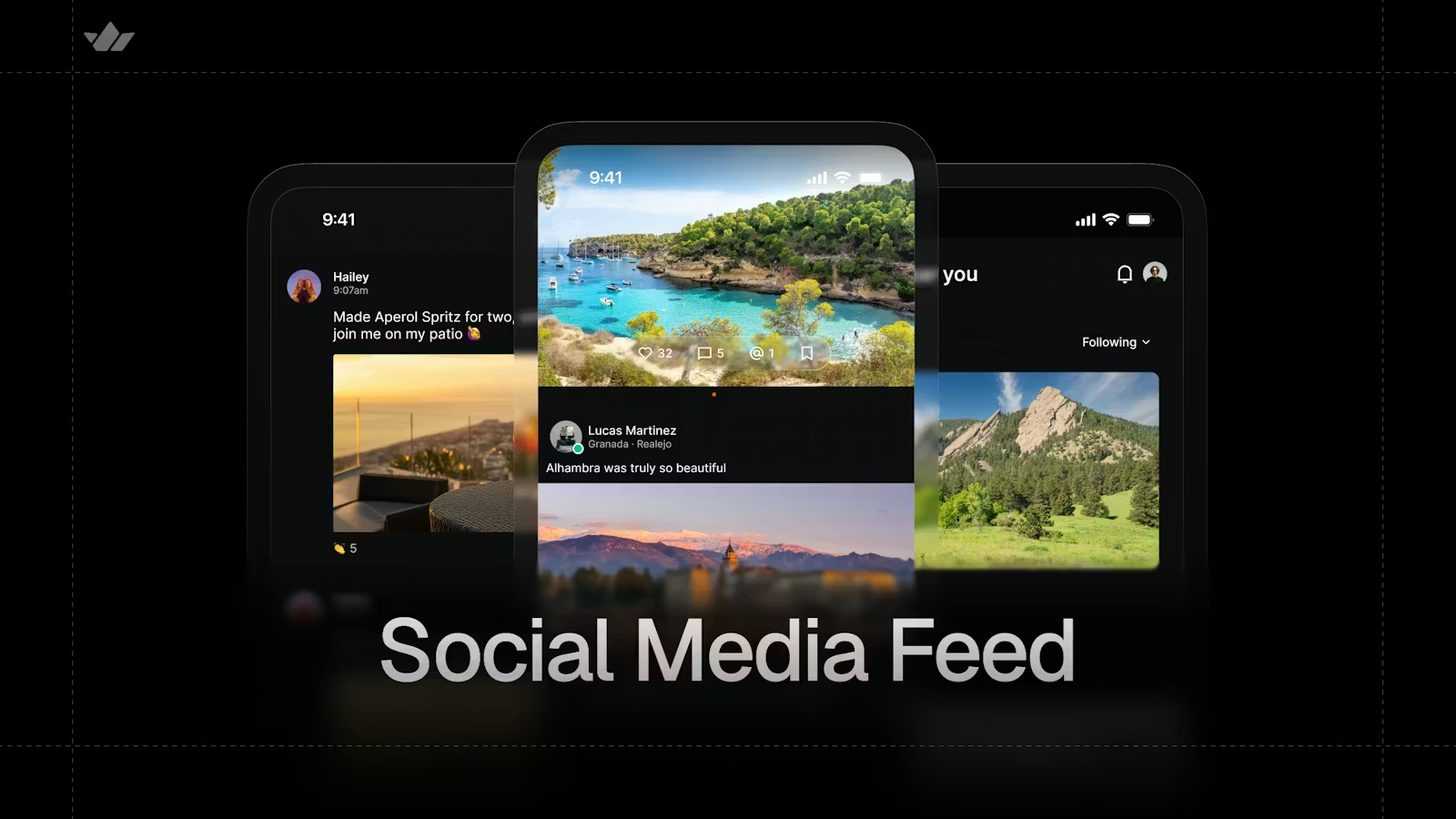
In the age of digital transformation, user experience is paramount. As more people interact with search engines, social media platforms, and other online services, the demand for personalized content has skyrocketed. One of the most innovative developments in recent years is the concept of hyper-personalized feed construction, which refers to the highly tailored presentation of content based on user preferences, behaviors, and interests.
Search engines, traditionally focused on delivering the most relevant results based on keywords, have evolved to incorporate complex algorithms that deliver personalized search results. This hyper-personalized approach has changed the way content is discovered, consumed, and engaged with, offering users a more tailored, seamless experience. In this article, we will explore the mechanisms behind hyper-personalized feed construction in search engines, how it works, and the impact it has on user behavior and search engine optimization (SEO).
What is Hyper-Personalization in Search Engines?
Hyper-personalization refers to the advanced use of data, machine learning, and AI to create content feeds or search results that are deeply customized to individual users. Unlike traditional personalization, which might consider basic user data such as location, language, or device type, hyper-personalization delves deeper, analyzing past user behavior, browsing history, search patterns, social media interactions, and even emotional responses to refine content delivery.
For search engines, hyper-personalized feed construction means providing users with content that isn’t just relevant based on their query but also shaped by their broader online behavior and preferences. This level of personalization requires sophisticated algorithms capable of processing vast amounts of data in real-time, making decisions about what content is most likely to resonate with the individual user.
Major search engines like Google, Bing, and even social platforms such as Facebook and Instagram use hyper-personalized algorithms to shape what users see in their search results and feeds. The goal is to deliver the most relevant and engaging content, ensuring that users are satisfied with their search experience and spend more time on the platform.
Key Elements of Hyper-Personalized Feed Construction
The process of hyper-personalization involves several key elements, all of which contribute to the creation of a custom-tailored feed or search results. These elements include:
- User Data and Behavioral Tracking: The foundation of hyper-personalization is the collection of user data. Search engines track user behavior, including search history, clicked links, time spent on certain pages, and interactions with ads. This data is used to build user profiles that reflect interests, preferences, and intent.
- Machine Learning Algorithms: Machine learning algorithms are central to hyper-personalized feed construction. They analyze vast amounts of data to detect patterns and predict user behavior. These algorithms continuously refine their predictions as they gather more data, ensuring that the content provided is constantly evolving to meet user needs.
- Contextual Relevance: Hyper-personalized content isn’t just about the user’s past behavior; it also considers the context in which they are interacting with the search engine. For example, a user's location, the time of day, and even their emotional state (based on AI-powered sentiment analysis) can all influence the search results they receive.
- Social Media Integration: Search engines and content platforms often integrate social media data into their personalization models. Information such as likes, shares, and comments on social media platforms can signal user preferences and further inform personalized content delivery.
- Natural Language Processing (NLP): NLP allows search engines to better understand the meaning behind a user's query, beyond just the keywords. NLP enables the engine to interpret the user’s intent more accurately, delivering results that align more closely with what they are likely searching for, based on previous interactions and context.
How Hyper-Personalized Feeds Impact Search Engine Results
One of the most significant impacts of hyper-personalization is its effect on search engine results. As search engines become more adept at delivering tailored content, traditional ranking factors (such as backlinks and keyword frequency) are increasingly supplemented by engagement-based signals. These signals are derived from user interactions, including clicks, time spent on pages, and social sharing.
Here are some key ways that hyper-personalized feeds impact search engine results:
- Search Results Tailored to User Intent: Hyper-personalization allows search engines to move beyond simple keyword matching and understand the deeper intent behind a query. For example, if a user frequently searches for eco-friendly products, the search engine will prioritize results related to sustainability, even if those results don’t match the exact keywords.
- Behavior-Based Ranking: Hyper-personalization introduces a behavior-based ranking system where the success of a piece of content is partially determined by how engaging it is to similar users. Content that has led to positive user actions (clicks, shares, and comments) for one group of users will be ranked higher when it aligns with the profile of other users with similar behavior.
- Dynamic Results Based on Context: Hyper-personalization also takes into account the context in which the search is made. If a user searches for "best coffee shop," the results might vary depending on whether the user is searching on a mobile device while traveling or from their home desktop. The search engine will adjust based on location, time of day, and browsing history.
- Incorporating Real-Time Feedback: Hyper-personalized algorithms continually adjust based on real-time feedback from users. If a particular search result generates a high CTR (click-through rate) or receives more interaction, search engines will adjust their ranking models to prioritize similar content in the future.
The Role of Data Privacy and User Control
With the increasing reliance on user data for hyper-personalization, concerns about data privacy have also grown. Users are becoming more aware of the extent to which their personal information is being tracked and used to shape their digital experiences. As a result, search engines and platforms are under growing pressure to offer greater transparency and control over how personal data is used.
Key data privacy considerations include:
- Transparency: Search engines must disclose the types of data they collect and how it is used. Users should have a clear understanding of how their search behavior and interactions contribute to their personalized feed.
- Opt-Out Options: Many platforms offer users the option to opt out of personalized content, giving them more control over the data they share. While opting out may reduce the level of personalization, it can also help address privacy concerns.
- Data Anonymization: Some search engines are adopting techniques for anonymizing user data to prevent personally identifiable information from being used in hyper-personalized feed construction. This helps balance personalization with privacy protection.
Benefits of Hyper-Personalized Feeds for Users
Hyper-personalized feeds provide a multitude of benefits to users, particularly in terms of relevance and convenience. Here are some of the key advantages:
- Increased Relevance: Hyper-personalized feeds deliver content that is directly aligned with a user’s preferences, resulting in more meaningful and useful information. This can save users time and effort by presenting them with content that matches their interests and needs.
- Enhanced User Experience: Personalization improves the overall user experience by reducing information overload. Instead of sifting through countless irrelevant search results, users are shown content that they are more likely to engage with and find useful.
- Discovery of New Content: While hyper-personalization tailors results to known preferences, it can also introduce users to new topics and content that align with their broader interests. This helps users expand their horizons and discover content they might not have actively searched for.
Challenges of Hyper-Personalized Feed Construction
Despite the many benefits of hyper-personalized content, there are also challenges that must be addressed to ensure a balanced, ethical, and effective user experience. Some of these challenges include:
- Filter Bubbles: One of the biggest criticisms of hyper-personalization is the creation of filter bubbles, where users are only exposed to content that reinforces their existing beliefs and preferences. This can limit the diversity of perspectives and ideas users are exposed to, which may impact their ability to engage with different viewpoints.
- Data Overload and Privacy Concerns: The sheer volume of data collected to fuel hyper-personalization raises concerns about privacy and security. Ensuring that data is collected and used responsibly is a key issue for search engines and platforms.
- Algorithmic Bias: Hyper-personalized algorithms are only as good as the data they are trained on. If the data is biased or incomplete, it can result in skewed recommendations that don’t accurately reflect user preferences or needs.
The Future of Hyper-Personalized Feed Construction
Hyper-personalization is undoubtedly changing the way content is delivered and consumed on search engines. By leveraging user data, AI, and machine learning, search engines are able to provide users with more relevant, engaging, and tailored content. This has the potential to enhance the user experience, improve engagement, and increase user satisfaction.
However, it is crucial for search engines and platforms to address the challenges associated with hyper-personalization, such as privacy concerns, filter bubbles, and algorithmic bias. As personalization continues to evolve, it will be essential to strike a balance between delivering highly relevant content and ensuring that users have access to diverse perspectives and information.