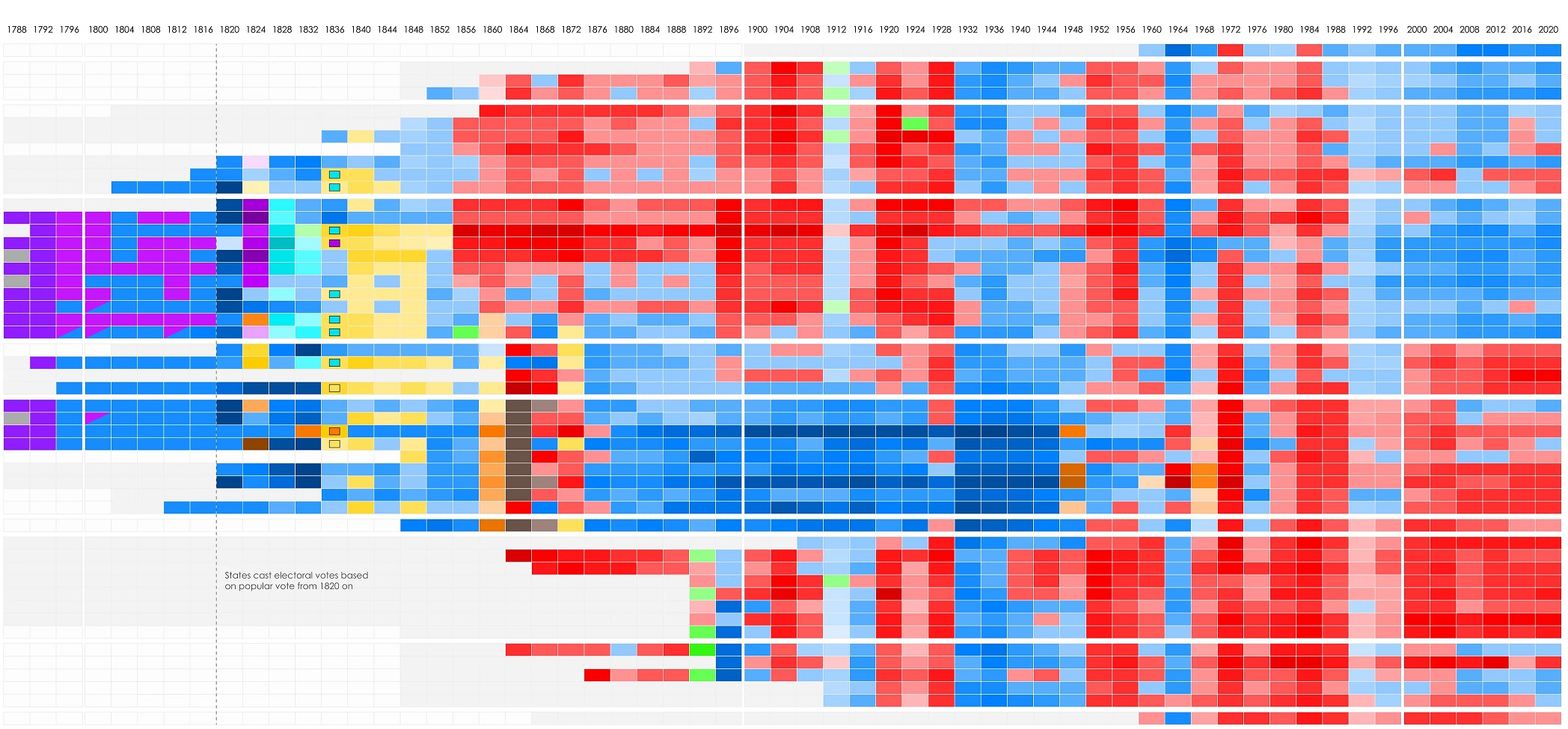
How Algorithms Use Historical Data Patterns
Algorithms are the unsung heroes of the digital age, quietly influencing almost everything we interact with online. Whether it’s your social media feed, the search engine results page, or your shopping recommendations, algorithms are at the wheel, guiding your experience. But how do they know what you want or predict what you’re likely to do next? The answer lies in one of their secret weapons: historical data patterns.
Think of algorithms as detectives who gather clues from the past. By analyzing historical data patterns, they learn from your previous actions—your clicks, likes, searches, and purchases—to predict your future behavior with startling accuracy. In this article, we’ll explore how algorithms use these historical data patterns to make decisions and how this affects everything from search rankings to personalized recommendations.
The Role of Historical Data in Algorithms
In simple terms, historical data is the treasure trove of past interactions that algorithms rely on to make future predictions. Whether it’s tracking the websites you visit, your social media interactions, or the products you browse, algorithms record all this information to create a detailed user profile. The more data they collect, the better they get at making accurate predictions about your preferences and behaviors.
Historical data provides algorithms with a kind of "memory" to learn from. Just like humans can reflect on past experiences to make better decisions in the future, algorithms use historical data to refine their decision-making processes. This allows them to personalize the experience for each individual, tailoring it based on past patterns rather than relying on general rules.
How Algorithms Collect Historical Data
So, how do algorithms collect all this juicy data? The answer is simple: they track your interactions. Every time you engage with an online platform, whether you’re scrolling through Instagram, making a Google search, or buying a product on Amazon, you leave behind a digital footprint. These actions provide the algorithm with information about what you like, what interests you, and what you’re likely to engage with in the future.
For example, if you search for "best running shoes" on Google and click on a link to a review article, the algorithm takes note of that. It learns that you’re interested in running shoes, and it may start to prioritize similar content, ads, and recommendations in the future. If you then purchase a pair of shoes, that purchase adds another layer of data, strengthening the algorithm’s ability to predict that you may be interested in other sports gear, workout apps, or running-related events.
This data can also be collected in real-time. While you're interacting with content, algorithms are constantly observing your actions and adjusting their predictions accordingly. The more data they have, the more accurate their understanding becomes, creating a cycle of continuous improvement.
Using Historical Data for Personalized Content
One of the most notable uses of historical data patterns is personalized content recommendations. We’ve all seen it: the moment you watch one video on YouTube, the platform immediately recommends several similar ones. Or when you buy a book on Amazon, it offers "Customers who bought this also bought..." suggestions.
Algorithms use historical data to predict what content or products a user is most likely to enjoy based on their past behavior. For instance, if you've watched multiple cooking videos on YouTube, the algorithm will recognize the pattern and suggest more cooking tutorials. Similarly, if you often buy sci-fi novels, Amazon's algorithm will suggest more books in the same genre.
This is done using various machine learning techniques, such as collaborative filtering, where the algorithm compares your behavior to that of similar users. It then predicts what you might enjoy based on what others with similar tastes have interacted with. The key to these recommendations is the historical data that shows which content led to engagement, providing the algorithm with a clear idea of what will likely keep you hooked next.
Search Engine Optimization (SEO) and Historical Data
When it comes to search engines like Google, historical data plays a crucial role in ranking content. Google’s search algorithm uses past user behavior to determine which results should be shown for a given search query. If a particular web page has received high traffic, low bounce rates, and many backlinks in the past, Google’s algorithm may infer that the page is authoritative and relevant to users.
This is where historical data patterns directly influence search engine optimization (SEO). Websites that produce high-quality content that engages users tend to see positive historical patterns: more clicks, longer time on page, and more shares. These metrics send signals to the algorithm that the content is valuable, which can result in higher rankings in search results.
On the flip side, if a website consistently shows poor engagement or has high bounce rates (meaning users leave quickly), the algorithm will notice this negative pattern and may reduce the site's visibility in search results. Essentially, search engines are using historical performance data to assess whether a page is worth recommending.
Predicting Future Behavior Through Historical Data
Now, let’s talk about the predictive power of historical data. Algorithms don’t just use past behavior to inform their recommendations—they use it to predict what you'll do next. This predictive capability is one of the most powerful aspects of algorithms.
For example, if you consistently watch tech review videos on YouTube, the algorithm will likely predict that you're interested in technology. As a result, it will serve you more tech-related content, including the latest gadget reviews, unboxings, or industry news. These predictions are based on the idea that past behavior is the best indicator of future behavior.
Social media platforms work the same way. If you regularly interact with certain types of posts—like photos from your favorite band or posts related to your hobby—the algorithm takes note of this pattern and will prioritize similar content in your feed. Over time, the algorithm fine-tunes its predictions, learning from your interactions and making increasingly accurate suggestions.
Challenges of Using Historical Data in Algorithms
While historical data is incredibly powerful, it’s not without its challenges. For one, algorithms are only as good as the data they have. If there’s a lack of data or the data is biased, the predictions can be flawed. For instance, if you only engage with a narrow range of content, the algorithm might make the incorrect assumption that you have a very specific interest, which can limit the diversity of recommendations you receive.
Additionally, historical data patterns can reinforce existing biases. For example, if a user has predominantly interacted with content from a particular political ideology, the algorithm might suggest more of the same, creating an echo chamber effect. This can limit exposure to diverse perspectives and result in a less balanced view of the world.
The Future of Algorithms & Historical Data
As algorithms continue to evolve, the role of historical data will only become more significant. The ability to analyze past behavior allows algorithms to deliver highly personalized, predictive, and engaging experiences. From search results to product recommendations, algorithms are constantly using historical data patterns to refine their predictions and improve user satisfaction.
However, as powerful as these algorithms are, they still have their limitations. Ensuring that the data they rely on is accurate, unbiased, and diverse will be crucial in creating a more balanced digital experience. And while algorithms can predict your next move, let’s not forget that humans still have the ability to surprise them—after all, we’re unpredictable creatures at the end of the day!