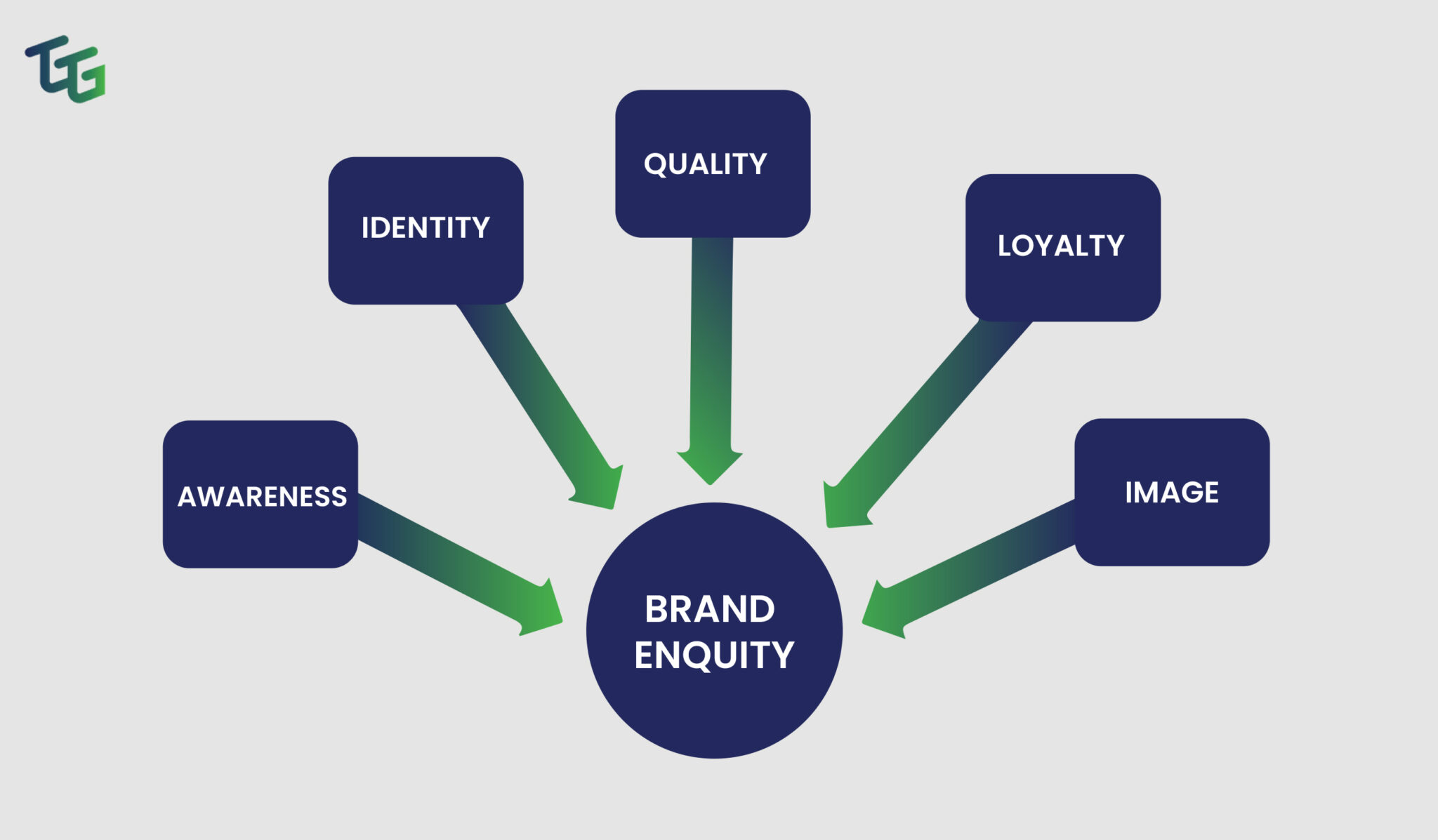
Brand Equity
Brand equity represents the value a brand adds to a product or service beyond its functional benefits. It is the cumulative effect of brand awareness, loyalty, perception, and associations in the minds of consumers. Companies with strong brand equity often command premium pricing, enjoy higher customer retention, and have greater resilience during market disruptions. Building long-term brand equity is not a short-term marketing tactic but a strategic, ongoing process that requires consistent effort across all touchpoints.
Understanding Brand Equity
Brand equity can be defined as the added value a brand brings to its products or services. It comprises both tangible and intangible elements, including:
- Brand awareness: the extent to which consumers recognize and recall a brand.
- Brand associations: the attributes, values, and imagery linked to a brand.
- Perceived quality: the consumer’s perception of a brand’s product or service quality.
- Brand loyalty: the degree of repeat purchase and emotional attachment.
- Other proprietary brand assets: trademarks, patents, and customer databases.
Strong brand equity translates into measurable business advantages, such as higher market share, greater customer willingness to pay, lower marketing costs, and increased shareholder value.
Consistency in Brand Messaging
Consistency is one of the cornerstones of long-term brand equity. Consumers build trust when they receive a predictable and coherent message across multiple channels. Inconsistent messaging can create confusion, weaken brand recognition, and reduce loyalty.
Best practices include:
- Developing a clear brand positioning statement.
- Maintaining visual identity consistency across all touchpoints, including logo, colors, typography, and packaging.
- Ensuring tone of voice aligns with brand values in marketing communications, social media, and customer service.
- Integrating messaging across online and offline platforms, including advertising, PR, and experiential campaigns.
Consistency fosters familiarity, which is critical for brand recall and preference.
Building Emotional Connections
Strong brand equity often stems from emotional connections. Brands that resonate with consumers on an emotional level are more likely to inspire loyalty and advocacy.
Strategies to create emotional connections include:
- Storytelling that communicates brand values, heritage, and mission.
- Designing experiences that elicit positive emotions, such as joy, excitement, or trust.
- Engaging customers through social responsibility initiatives and community involvement.
- Personalizing communications and interactions to make consumers feel understood and valued.
Brands that evoke strong emotional responses tend to enjoy higher retention and advocacy rates, which reinforce long-term equity.
Delivering Consistent Quality
Brand perception is closely linked to product or service quality. Delivering high-quality experiences consistently strengthens trust and credibility.
Actions that support perceived quality include:
- Implementing rigorous quality assurance processes.
- Continuously improving products or services based on customer feedback.
- Ensuring reliability and dependability in every customer interaction.
- Managing supply chain and operational processes to prevent variability in quality.
Consumers often associate reliability with the brand itself, and repeated positive experiences solidify brand equity.
Developing Brand Differentiation
Brands with strong equity stand out from competitors by offering unique value or positioning. Differentiation should focus on aspects meaningful to the target audience, including functional benefits, design, emotional appeal, or social impact.
Key steps include:
- Analyzing competitive landscape and identifying gaps in offerings or perception.
- Crafting a unique value proposition that addresses unmet needs.
- Creating signature elements—such as a distinctive logo, tagline, or customer experience—that reinforce differentiation.
- Communicating differentiation consistently across all marketing channels.
Differentiation protects brand equity from commoditization and price competition.
Investing in Brand Awareness
Brand awareness is the foundation of equity. Consumers cannot develop loyalty to a brand they are unaware of. Building awareness requires both broad and targeted outreach.
Strategies include:
- Advertising campaigns that reach the target audience with high frequency.
- Content marketing, including blogs, videos, podcasts, and social media, that provides value and builds recognition.
- Influencer partnerships and word-of-mouth marketing to leverage credibility from trusted sources.
- Event sponsorships or experiential marketing to create memorable brand interactions.
Higher awareness increases the likelihood that a brand will be considered at the point of purchase, thereby supporting long-term equity.
Leveraging Customer Experience
Every touchpoint a customer has with a brand influences perception. Exceptional customer experience drives loyalty, positive word-of-mouth, and advocacy.
Components of superior customer experience include:
- Responsive, empathetic, and helpful customer service.
- Streamlined digital interactions, such as intuitive app interfaces and seamless e-commerce flows.
- Post-purchase support, including warranties, tutorials, and proactive communication.
- Collecting and acting on customer feedback to improve experiences.
Customers who consistently have positive experiences are more likely to remain loyal and recommend the brand to others, strengthening equity over time.
Building Brand Loyalty
Loyal customers contribute significantly to long-term brand equity. They are less sensitive to price, provide repeat business, and often advocate for the brand.
Loyalty-building strategies include:
- Implementing rewards and loyalty programs that offer meaningful benefits.
- Recognizing repeat customers through personalized offers and communications.
- Providing consistent quality and experiences to reinforce trust.
- Engaging with customers through community-building initiatives, such as forums, social groups, or brand events.
Brands that cultivate loyalty create a strong foundation for long-term revenue and market resilience.
Engaging in Brand Storytelling
Storytelling humanizes a brand, communicates values, and makes it memorable. Strong narratives can differentiate brands and deepen emotional connections.
Effective brand storytelling techniques include:
- Highlighting the brand’s mission, vision, and values.
- Sharing customer success stories or testimonials.
- Using multimedia formats, including video, interactive content, and social media campaigns.
- Incorporating consistent messaging that aligns with the brand’s identity.
A compelling story can turn passive consumers into advocates, amplifying brand reach and equity.
Maintaining Brand Authenticity
Authenticity is critical for sustaining long-term brand equity. Consumers are increasingly skeptical of marketing claims and expect honesty and transparency.
Ways to maintain authenticity include:
- Being transparent about business practices and sourcing.
- Delivering on promises made in marketing communications.
- Engaging in social and environmental responsibility aligned with brand values.
- Ensuring consistency between brand messaging and actions.
Authentic brands are more likely to earn trust, which is a core component of equity.
Monitoring Brand Perception
Understanding how consumers perceive a brand allows companies to adjust strategies and protect equity. Regular monitoring helps identify strengths, weaknesses, and emerging threats.
Tools for brand perception monitoring include:
- Customer surveys and feedback programs.
- Social listening to track mentions, sentiment, and trends.
- Net Promoter Score (NPS) tracking to measure loyalty and advocacy.
- Market research and competitive analysis.
Continuous monitoring ensures the brand remains aligned with consumer expectations and can quickly respond to challenges.
Leveraging Digital Channels
Digital platforms provide scalable opportunities to reinforce brand equity through content, engagement, and personalization.
Best practices include:
- Maintaining an active and consistent presence on social media platforms relevant to your audience.
- Using targeted digital advertising to strengthen awareness and highlight brand differentiators.
- Optimizing website and app experiences to reflect brand values and ensure usability.
- Personalizing communications and recommendations to enhance relevance and emotional connection.
Effective digital strategies reinforce brand recognition and trust over time.
Protecting Brand Assets
Protecting intellectual property, trademarks, and proprietary elements ensures that brand value is preserved.
Key steps include:
- Registering trademarks and copyrights for logos, slogans, and creative assets.
- Monitoring for unauthorized use or infringement.
- Maintaining consistent brand guidelines for internal and external stakeholders.
- Ensuring legal compliance in all markets where the brand operates.
Protecting brand assets safeguards reputation, prevents dilution, and preserves long-term equity.
Employee Engagement and Internal Branding
Employees are ambassadors for a brand. Internal branding ensures that employees understand, embody, and communicate brand values consistently.
Strategies include:
- Educating employees about brand values, mission, and key messaging.
- Fostering a culture aligned with brand principles.
- Encouraging employee advocacy through social and professional networks.
- Recognizing and rewarding employees who exemplify brand behavior.
Engaged employees enhance customer experiences and strengthen brand equity externally.
Long-Term Marketing Investment
Building brand equity is a long-term investment. Short-term promotions or discount-focused campaigns can generate revenue but may erode perceived value if overused.
Sustainable strategies include:
- Prioritizing brand-building campaigns alongside performance marketing.
- Investing in high-quality content, design, and experiences.
- Measuring brand equity metrics, such as awareness, loyalty, and perception, to track progress over time.
- Balancing immediate sales objectives with long-term brand health.
Companies that focus on consistent, quality-driven marketing efforts strengthen equity and gain competitive advantage.
Measuring Brand Equity
Brand equity is intangible, but it can be measured using qualitative and quantitative approaches.
- Customer surveys evaluating awareness, loyalty, and perception.
- Financial metrics such as price premiums, revenue per customer, and market share.
- Behavioral metrics including repeat purchase rates, referral rates, and engagement scores.
- Social metrics such as share of voice, sentiment analysis, and brand mentions online.
Regular measurement helps identify areas for improvement and validates the effectiveness of brand strategies.
Adaptability and Innovation
Brands must evolve to stay relevant. Innovation ensures the brand meets changing consumer needs without losing its identity.
Approaches include:
- Refreshing visual identity or messaging to remain modern while preserving core values.
- Introducing new products or services aligned with the brand promise.
- Experimenting with emerging technologies and platforms for engagement.
- Continuously learning from market trends and consumer feedback.
Adaptable brands maintain relevance and strengthen equity by balancing consistency with innovation.